Justknock Professional Social Networking Platform Logo
    • Uitgebreid zoeken
  • Gast
    • Inloggen
    • Registereren
    • Nachtstand
Dr Mark Harvey Author Cover Image
User Image
Sleep naar de juiste positie
Dr Mark Harvey Author Profile Picture
Dr Mark Harvey Author
  • Tijdlijn
  • Groepen
  • Respects
  • Vrienden
  • Foto's
  • Video's
  • Rollen
Dr Mark Harvey Author profile picture
Dr Mark Harvey Author
2 jr - Vertalen

Sustainable Business Practices: Ethics and Environmental Responsibility
Businesses are under increasing pressure to implement sustainable practices that are compliant with ethical standards in an era where environmental issues are of utmost importance. The significance of sustainability and moral decision-making is highlighted as this article explores the relationship between ethics and environmental responsibility in corporate operations.

Introduction
Sustainable business practices encompass strategies that promote long-term environmental, social, and economic viability. Ethics play a crucial role in guiding businesses towards responsible stewardship of natural resources and minimizing environmental impact.

Importance of Sustainable Business Practices
Environmental Preservation
By cutting back on waste production, preserving resources, and lowering carbon footprint, sustainable practices seek to slow down environmental deterioration. These initiatives help to mitigate the effects of climate change and conserve biodiversity.

Ethical Imperative
Ethical business practices prioritize fairness, transparency, and accountability toward stakeholders, including employees, customers, communities, and future generations. Upholding ethical standards fosters trust and enhances corporate reputation.

Integrating Ethics into Environmental Responsibility
Ethical Supply Chain Management
Ensuring fair labour practices, encouraging environmental stewardship among suppliers, and ethically procuring materials are all part of adopting ethical supply chain methods. Supply chain activities that are transparent increase credibility and lower the danger of unethical behaviour.

Corporate Social Responsibility (CSR)
CSR initiatives demonstrate a commitment to societal well-being through philanthropy, community engagement, and environmental initiatives. Ethical CSR practices align business goals with societal needs, fostering positive social impact and sustainable development.

Best Practices for Sustainable Business Ethics
Setting Clear Environmental Goals
Set quantifiable aims to lessen the impact on the environment, such as targets for waste reduction, improvements in energy efficiency, and sustainable sourcing goals. Accountability and progress tracking are ensured by routine reporting and monitoring.

Stakeholder Engagement and Transparency
Engage stakeholders in decision-making processes and communicate openly about environmental initiatives, challenges, and outcomes. Transparent communication builds trust and encourages collaboration towards shared sustainability goals.

Compliance with Environmental Regulations
Respect national, international, and local environmental laws to reduce legal risks and make sure that waste disposal, water management, air quality, and handling of hazardous products are all done in accordance with the norms.

Case Study: Sustainable Business Ethics at EcoTech Solutions
EcoTech Solutions, a leader in renewable energy technology, integrates ethical principles into its business model. The company prioritizes sustainable sourcing, invests in green technologies, and engages in community-based environmental projects. EcoTech Solutions’ commitment to ethical environmental practices enhances its competitive advantage and stakeholder trust.

Conclusion
Sustainable business methods highlight how crucial moral judgement and environmental stewardship are to long-term company performance. Businesses can reduce risks, improve their reputation, and spur innovation towards sustainable solutions by incorporating ethics into their environmental projects. Maintaining moral principles makes companies resilient in an ever-evolving global context and guarantees that they make a beneficial impact on social progress and environmental preservation. Adopting sustainable business practices ensures a sustainable future for future generations and benefits the environment.
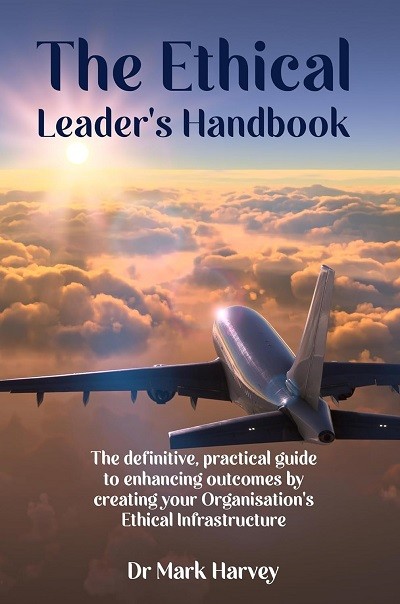
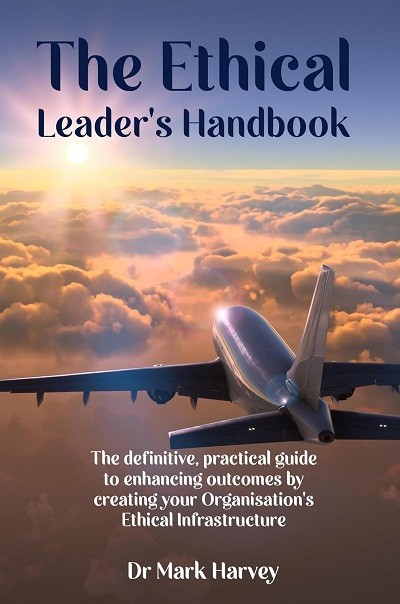
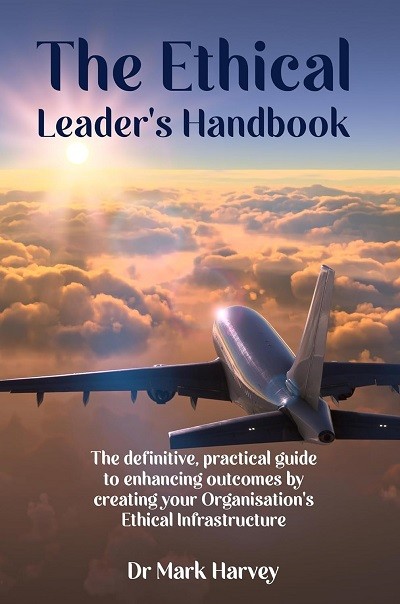
Discover how to integrate ethics and environmental responsibility into your leadership strategy with Dr. Mark Harvey’s The Ethical Leader’s Handbook: The definitive guide to enhancing outcomes by creating your Organisation’s Ethical Infrastructure. Gain insights into fostering a culture of sustainability and ethical stewardship within your organization. Learn practical methods to align business practices with environmental goals while upholding ethical standards. Empower yourself to lead with integrity, ensuring your organization contributes positively to both society and the environment. Secure your copy now from here: https://amz.run/9IJp and embark on a journey towards ethical excellence and environmental responsibility.
image
Respect!
Kommentar
Delen
Dr Mark Harvey Author profile picture
Dr Mark Harvey Author
2 jr - Vertalen

Integrating Organisational Values into Daily Practices
Organisational values serve as guiding principles that shape the culture, behavior, and decision-making within an organization. However, simply articulating values is not enough; they must be integrated into everyday business practices to have a meaningful impact. In this article, we'll explore methods for embedding organisational values into daily practices and decision-making processes, drawing insights from The Ethical Leader’s Handbook by Dr. Mark Harvey.

1. Clear Articulation of Values
The first step in integrating organisational values into daily practices is to ensure that values are clearly articulated and communicated throughout the organization. Leaders should regularly communicate the importance of these values and how they align with the organization's mission and goals. Dr. Harvey emphasizes the need for leaders to actively demonstrate positive interpersonal traits that support the organization's values, serving as role models for employees to follow.
2. Alignment with Business Practices
Organisational values should be integrated into various aspects of business practices, including hiring processes, performance evaluations, and decision-making frameworks. For example, during the hiring process, candidates should be assessed not only for their skills and qualifications but also for their alignment with the organization's values. Similarly, performance evaluations should include criteria related to upholding organizational values, rewarding employees who demonstrate ethical behavior and integrity.
3. Training and Development
Training programs play a crucial role in embedding organisational values into daily practices. Dr. Harvey suggests that organizations implement ethics training programs that provide leaders and employees with the knowledge and skills necessary to make ethical decisions and behave in accordance with the organization's values. These programs may include case studies, role-playing exercises, and interactive workshops to reinforce ethical principles.
4. Decision-Making Frameworks
Organisations can develop decision-making frameworks that explicitly incorporate the organization's values into the decision-making process. These frameworks help employees navigate complex ethical dilemmas by providing guidelines and criteria for making decisions that align with the organization's values. By integrating values into decision-making, organisations ensure that ethical considerations are given due importance in every business decision.
5. Accountability and Recognition
Organisations should hold employees accountable for upholding organizational values and recognize and reward individuals who demonstrate exemplary behavior. Dr. Harvey emphasizes the importance of creating a culture where positive ethical conduct is celebrated and unethical behavior is addressed promptly and appropriately. By linking adherence to values with recognition and rewards, organisations reinforce the importance of ethical behavior in daily practices.
Integrating organisational values into daily practices requires a concerted effort from leaders and employees at all levels of the organization. By clearly articulating values, aligning them with business practices, providing training and development opportunities, implementing decision-making frameworks, and fostering a culture of accountability and recognition, organisations can create a workplace where ethical behavior is not just a slogan but a lived reality. Drawing insights from The Ethical Leader’s Handbook, organisations can build a strong ethical infrastructure that guides decision-making and behavior in alignment with their core values.

Book link: https://www.amazon.com//dp/B0CDFBN7NL/

image
Respect!
Kommentar
Delen
Dr Mark Harvey Author profile picture
Dr Mark Harvey Author Heeft zijn profielfoto gewijzigd
2 jr

image
Respect!
Kommentar
Delen
 Laad meer berichten
    info
  • 3 posts

  • Man
    Albums 
    (0)
    Vrienden 
    (0)
    Respects 
    (37)
  • Al Quran
    Sohani Israt
    Shafia Maliha
    Sanjana Afreen
    rumi
    Rahae Liza
    Bangladeshi Lady Biker
    Sonia Sarker
    Angel Sana
    Groepen 
    (0)


© 2026 Justknock Professional Social Networking Platform

Language

  • About
  • Directory
  • blog
  • Contact Us
  • Developers
  • Meer
    • Privacy Policy
    • Terms of Use
    • Vraag een terugbetaling
    • Child Safety Standards Policy
    • Child Safety Standards

Unfriend

Weet je zeker dat je wilt ontvrienden?

Rapporteer deze gebruiker

Belangrijk!

Weet u zeker dat u dit lid van uw familie wilt verwijderen?

Je hebt geplooid 1718817228573170_28033

Nieuw lid is succesvol toegevoegd aan je familielijst!

Snijd je avatar bij

avatar

Verbeter je profielfoto

Beschikbaar saldo

0

Afbeeldingen


© 2026 Justknock Professional Social Networking Platform

  • Home
  • About
  • Contact Us
  • Privacy Policy
  • Terms of Use
  • Vraag een terugbetaling
  • blog
  • Developers
  • Meer
    • Child Safety Standards Policy
    • Child Safety Standards
  • Language

© 2026 Justknock Professional Social Networking Platform

  • Home
  • About
  • Contact Us
  • Privacy Policy
  • Terms of Use
  • Vraag een terugbetaling
  • blog
  • Developers
  • Meer
    • Child Safety Standards Policy
    • Child Safety Standards
  • Language

Reactie succesvol gerapporteerd.

Post is succesvol toegevoegd aan je tijdlijn!

U heeft uw limiet van 5000 vrienden bereikt!

Bestandsgrootte fout: Het bestand overschrijdt de limiet toegestaan ​​(954 MB) en kan niet worden geüpload.

Je video wordt verwerkt, we laten je weten wanneer het klaar is om te bekijken.

Kan een bestand niet uploaden: dit bestandstype wordt niet ondersteund.

We hebben een aantal inhoud voor volwassenen gevonden in de afbeelding die je hebt geüpload. Daarom hebben we je uploadproces geweigerd.

Deel bericht over een groep

Deel naar een pagina

Deel met gebruiker

Je bericht is verzonden. We zullen je inhoud binnenkort beoordelen.

Om afbeeldingen, videos en audiobestanden te uploaden, moet je upgraden naar pro-lid. Upgraden naar Pro

Aanbieding bewerken

0%

Voeg tier toe


Selecteer een afbeelding
Verwijder je tier
Weet je zeker dat je deze tier wilt verwijderen?

Om uw inhoud en berichten te verkopen, begint u met het maken van een paar pakketten. Inkomsten genereren

Betaal per portemonnee

Verwijder uw adres

Weet je zeker dat je dit adres wilt verwijderen?

Verwijder uw pakket voor het genereren van inkomsten

Weet u zeker dat u dit pakket wilt verwijderen?

Uitschrijven

Weet u zeker dat u zich wilt afmelden voor deze gebruiker? Houd er rekening mee dat u geen van hun inhoud waarmee inkomsten worden gegenereerd, kunt bekijken.

Verwijder uw pakket voor het genereren van inkomsten

Weet u zeker dat u dit pakket wilt verwijderen?

Betalingswaarschuwing

Je staat op het punt om de items te kopen, wil je doorgaan?
Vraag een terugbetaling

Language

  • Arabic
  • Bengali
  • Chinese
  • Croatian
  • Danish
  • Dutch
  • English
  • Filipino
  • French
  • German
  • Hebrew
  • Hindi
  • Indonesian
  • Italian
  • Japanese
  • Korean
  • Persian
  • Portuguese
  • Russian
  • Spanish
  • Swedish
  • Turkish
  • Urdu
  • Vietnamese