Justknock Professional Social Networking Platform Logo
    • اعلی درجے کی تلاش
  • مہمان
    • لاگ ان کریں
    • رجسٹر کریں۔
    • نائٹ موڈ
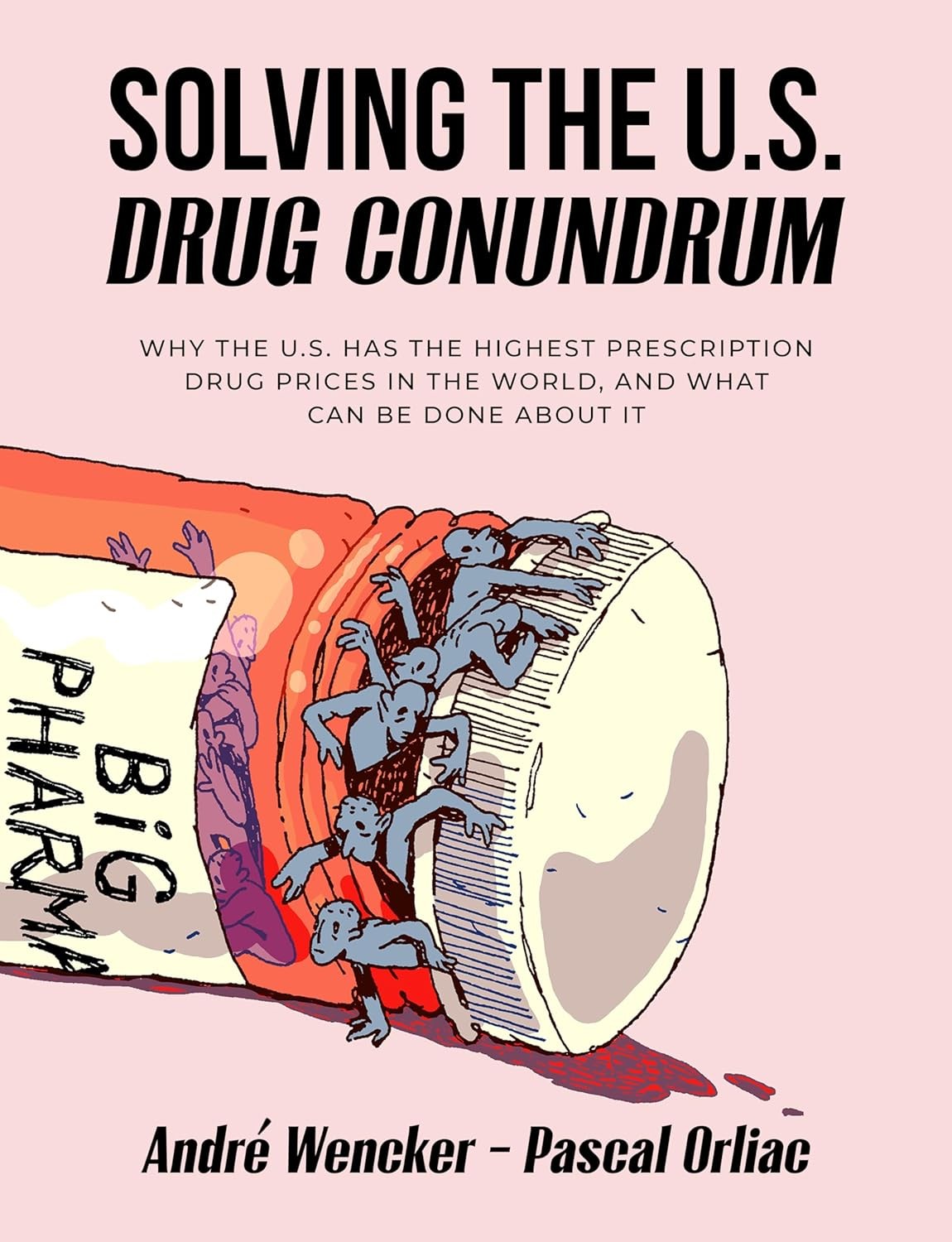
ANDRE WENCKER PASCAL ORLIAC Cover Image
User Image
کور کی جگہ پر گھسیٹیں۔
ANDRE WENCKER PASCAL ORLIAC Profile Picture
ANDRE WENCKER PASCAL ORLIAC
  • ٹائم لائن
  • گروپس
  • پسند کرتا ہے۔
  • دوستو
  • تصاویر
  • ویڈیوز
  • ریلز
ANDRE WENCKER PASCAL ORLIAC profile picture
ANDRE WENCKER PASCAL ORLIAC
2 سال - ترجمہ کریں۔

Caught in the US Health Scare System Maze
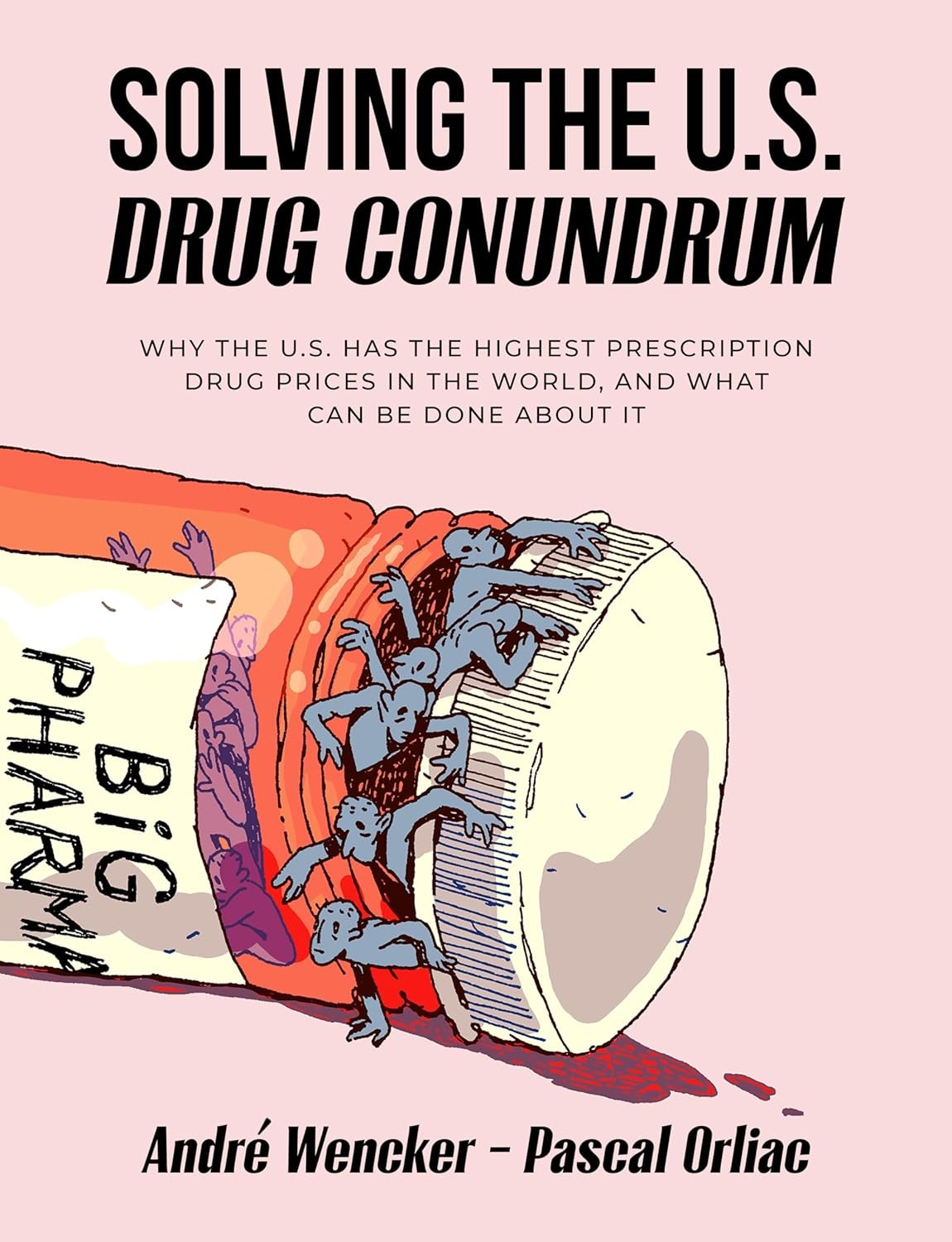
Imagine being forced to choose between life-saving medication and basic necessities like food or rent. For many Americans, this is not a hypothetical scenario but a harsh reality. Orliac dives deep into the complexities of America’s pharmaceutical pricing crisis, exposing the mechanisms that trap patients and even doctors in an unsustainable system.
A System Stacked Against Patients
The plight of US patients struggling to afford prescribed medicines has been well-documented. A study by the Commonwealth Fund in 2019 found that over one in five adults had skipped filling a prescription due to financial constraints. Even more alarming is their recent report that nearly half of adults with lower or average incomes faced cost-related barriers to accessing healthcare, with many failing to receive necessary medical care or adhere to prescribed treatments. The consequences of such barriers are dire, resulting in worsening health outcomes and, in some cases, preventable deaths.
Solving the US Drug Conundrum explains how the pharmaceutical industry and Pharmacy Benefit Managers (PBMs) are complicit in driving up costs. Practices like "patent thickets," pay-for-delay deals, and opaque rebate schemes prioritize profit over people, creating a landscape where medications are out of reach for millions. The book’s detailed analysis of these practices sheds light on a system that desperately needs reform.
An Industry Aware but Unmoved
The pharmaceutical industry is not oblivious to these issues. The recent IQVIA report, "Global Use of Medicines 2024 Outlook to 2028," offers a sobering perspective. Despite being the wealthiest nation on Earth, the US lags behind Western (and even Eastern Europe!) in per capita drug consumption volume. This is measured in Defined Daily Doses (DDD), which reflect the average daily maintenance dose of a drug. The gap between the US and Western Europe is a staggering 30% to 35%, and it continues to grow.
This discrepancy is not due to a lack of medical innovation but stems from the unaffordability of medicines. High prices restrict access, meaning that fewer Americans can utilize necessary drugs compared to their European counterparts, who benefit from more equitable healthcare systems. Wencker and Orliac’s book argues that adopting European-style drug assessment and pricing models could significantly bridge this gap, providing affordable access to high-quality medications for all.
Doctors in the Crossfire
Physicians, too, are caught in this dysfunctional system. Many report the emotional toll of seeing patients unable to afford the treatments they prescribe. Solving the US Drug Conundrum highlights the moral and professional dilemmas faced by healthcare providers, who must balance their patients’ medical needs against their financial realities. This adds another layer of urgency to the call for reform.
A Blueprint for Change
What sets this book apart is its actionable solutions. Wencker and Orliac propose reforms such as tightening patent laws, enhancing PBM transparency, and leveraging public research funding to make medications more affordable. Their vision extends beyond diagnosis. Oregon’s example, instituting a constitutional right to healthcare, combined with the adoption of External Reference Based Pricing, as recommended by NASHP, will dramatically lower prices. The state adopting such measures will no longer need any PBM, which is «another huge benefit of such policies can inspire hope and drive change, offering readers a roadmap to advocate for a healthcare system that prioritizes patients over profits.
A Call to Action
The time for reform is now. As healthcare remains a key national issue, this book, “Solving the US Drug Conundrum,” equips readers with the knowledge and tools to push for accountability from policymakers and corporate leaders. The book’s message is clear: a healthier, fairer future is possible, but only if we demand it.
Book Link: https://www.amazon.com/dp/1917613636
image
پسند
تبصرہ
بانٹیں
ANDRE WENCKER PASCAL ORLIAC profile picture
ANDRE WENCKER PASCAL ORLIAC
2 سال - ترجمہ کریں۔

Decoding America's Healthcare Maze: Lessons from Europe
Do not you think there is something fishy about these pharmaceuticals working in America offering medicines at additional prices?
As the United States grapples with sky-high prescription drug prices, European countries like France, Germany, and the UK provide valuable lessons in creating a more affordable and equitable healthcare system. These nations leverage centralized pricing strategies and rigorous evaluations to balance innovation with accessibility, offering a blueprint for U.S. reform. To solve such trouble in prices, Andre Wencker and Pascal Orliac have penned a nonfiction book, "SOLVING THE US DRUG CONUNDRUM," to offer readers awareness about such a heightened problem.
The European Model: Efficiency and Equity
In Europe, drug pricing is not left to market forces alone. Instead, government agencies negotiate prices with manufacturers based on a drug’s clinical value and cost-effectiveness. This approach ensures that prices reflect a medication’s benefits to patients rather than what the market can bear.
Health Technology Assessment (HTA) is central to this process. HTA evaluates new drugs by considering their efficacy, safety, and cost compared to existing treatments. This evidence-based approach prevents manufacturers from charging exorbitant prices for drugs with marginal benefits. For instance, in Germany, the Institute for Quality and Efficiency in Health Care (IQWiG) conducts HTAs that guide pricing negotiations and reimbursement decisions. Similarly, the UK’s National Institute for Health and Care Excellence (NICE) plays a pivotal role in determining which treatments are worth public investment.
Price Disparities: A Stark Contrast
The results of these systems speak for themselves. A 2022 study revealed that biosimilars—cheaper versions of biologic drugs—cost nearly three times more in the U.S. than in Germany and Switzerland. These differences are not due to quality but to regulatory choices. European countries encourage competition through strict patent laws and incentivize the adoption of generics and biosimilar.
In France, for example, pharmacies are required to substitute generics unless the prescribing physician explicitly forbids it. Additionally, public campaigns educate citizens on the safety and effectiveness of generics, fostering widespread acceptance.
Overcoming "U.S. Exceptionalism"
One barrier to adopting these practices in the U.S. is the belief in "American exceptionalism"—the idea that the U.S. healthcare system is inherently superior despite evidence to the contrary. Critics often dismiss European models as incompatible with American values, citing concerns about government overreach. However, these arguments ignore the tangible benefits European systems offer: lower costs, broader access, and better health outcomes.
For example, European countries achieve lower drug prices without sacrificing innovation. Contrary to industry claims, there is little evidence to suggest that high prices are necessary to fund research and development. In fact, many groundbreaking drugs originate from publicly funded research, which European governments support without allowing unchecked profiteering.
Applying HTA in the U.S.
Introducing HTA in the U.S. could transform drug pricing. By establishing an independent body to assess the value of new drugs, policymakers could:
Prioritize High-Value Treatments: Focus resources on medications that offer significant clinical improvements.
Negotiate Fair Prices: Use HTA findings to set price ceilings based on a drug’s demonstrated benefits.
Promote Transparency: Provide consumers and providers with clear information about the cost-effectiveness of treatments.
Bridging the Gap
Adopting European practices in the U.S. will require overcoming political resistance and vested interests. Yet, the potential benefits are immense. By shifting the focus from profits to patient outcomes, the U.S. can ensure that its healthcare system serves all Americans, not just the privileged few.
https://www.axios.com/2024/12/....27/brian-thompson-ki
Book link: https://www.amazon.com/dp/B0DPQNRP28/

image
پسند
تبصرہ
بانٹیں
ANDRE WENCKER PASCAL ORLIAC profile picture
ANDRE WENCKER PASCAL ORLIAC اپنی پروفائل تصویر تبدیل کر دی
2 سال

image
پسند
تبصرہ
بانٹیں
 مزید پوسٹس لوڈ کریں۔
    معلومات
  • 3 پوسٹس

  • مرد
    البمز 
    (0)
    دوستو 
    (0)
    پسند کرتا ہے۔ 
    (53)
  • প্রবাসী কল্যাণ পরিষদ
    অভিযোগ বক্স
    Made in Bangladesh
    Faporbaz Fun
    Jamuna TV
    Protidiner Bangladesh
    Channel i News
    ATN News Live
    Bayanno TV
    گروپس 
    (6)
  • ENOOMY Entrepreneur - Start, run and gro
    RANGCON Freelancer Marketplace
    Made in Bangladesh
    অভিযোগ বক্স
    প্রবাসী কল্যাণ পরিষদ
    Buy & Sell Bangladesh


© {تاریخ} Justknock Professional Social Networking Platform

زبان

  • کے بارے میں
  • ڈائرکٹری
  • بلاگ
  • ہم سے رابطہ کریں۔
  • ڈویلپرز
  • مزید
    • رازداری کی پالیسی
    • استعمال کی شرائط
    • رقم کی واپسی کی درخواست کریں۔
    • Child Safety Standards Policy
    • Child Safety Standards

ان فرینڈ

کیا آپ واقعی ان دوستی کرنا چاہتے ہیں؟

اس صارف کی اطلاع دیں۔

اہم!

کیا آپ واقعی اس رکن کو اپنی فیملی سے ہٹانا چاہتے ہیں؟

تم نے ٹھوکر ماری ہے۔ 1735578992270345_86993

نیا رکن کامیابی کے ساتھ آپ کی فیملی لسٹ میں شامل ہو گیا!

اپنے اوتار کو تراشیں۔

avatar

اپنی پروفائل تصویر کو بہتر بنائیں

دستیاب بیلنس

0

امیجز


© {تاریخ} Justknock Professional Social Networking Platform

  • گھر
  • کے بارے میں
  • ہم سے رابطہ کریں۔
  • رازداری کی پالیسی
  • استعمال کی شرائط
  • رقم کی واپسی کی درخواست کریں۔
  • بلاگ
  • ڈویلپرز
  • مزید
    • Child Safety Standards Policy
    • Child Safety Standards
  • زبان

© {تاریخ} Justknock Professional Social Networking Platform

  • گھر
  • کے بارے میں
  • ہم سے رابطہ کریں۔
  • رازداری کی پالیسی
  • استعمال کی شرائط
  • رقم کی واپسی کی درخواست کریں۔
  • بلاگ
  • ڈویلپرز
  • مزید
    • Child Safety Standards Policy
    • Child Safety Standards
  • زبان

تبصرے کی کامیابی کے ساتھ اطلاع دی گئی۔

پوسٹ کامیابی کے ساتھ آپ کی ٹائم لائن میں شامل کر دی گئی!

آپ اپنے 5000 دوستوں کی حد کو پہنچ گئے ہیں!

فائل کے سائز کی خرابی: فائل اجازت شدہ حد (954 MB) سے زیادہ ہے اور اسے اپ لوڈ نہیں کیا جا سکتا۔

آپ کی ویڈیو پر کارروائی ہو رہی ہے، جب یہ دیکھنے کے لیے تیار ہو جائے گا تو ہم آپ کو بتائیں گے۔

فائل اپ لوڈ کرنے سے قاصر: یہ فائل کی قسم تعاون یافتہ نہیں ہے۔

ہمیں آپ کی اپ لوڈ کردہ تصویر پر کچھ بالغ مواد کا پتہ چلا ہے، اس لیے ہم نے آپ کے اپ لوڈ کے عمل کو مسترد کر دیا ہے۔

پوسٹ کو گروپ میں شیئر کریں۔

پیج پر شئیر کریں۔

صارف کو شیئر کریں۔

آپ کی پوسٹ جمع کرائی گئی، ہم جلد ہی آپ کے مواد کا جائزہ لیں گے۔

تصاویر، ویڈیوز اور آڈیو فائلیں اپ لوڈ کرنے کے لیے، آپ کو پرو ممبر میں اپ گریڈ کرنا ہوگا۔ پرو میں اپ گریڈ کریں۔

پیشکش میں ترمیم کریں۔

0%

درجے شامل کریں۔


ایک تصویر منتخب کریں۔
اپنے درجے کو حذف کریں۔
کیا آپ واقعی اس درجے کو حذف کرنا چاہتے ہیں؟

اپنے مواد اور پوسٹس کو بیچنے کے لیے، چند پیکجز بنا کر شروع کریں۔ منیٹائزیشن

بٹوے کے ذریعے ادائیگی کریں۔

اپنا پتہ حذف کریں۔

کیا آپ واقعی یہ پتہ حذف کرنا چاہتے ہیں؟

اپنا منیٹائزیشن پیکج ہٹا دیں۔

کیا آپ واقعی اس پیکیج کو حذف کرنا چاہتے ہیں؟

ان سبسکرائب کریں۔

کیا آپ واقعی اس صارف کی رکنیت ختم کرنا چاہتے ہیں؟ ذہن میں رکھیں کہ آپ ان کے منیٹائز کردہ مواد میں سے کسی کو نہیں دیکھ پائیں گے۔

اپنا منیٹائزیشن پیکج ہٹا دیں۔

کیا آپ واقعی اس پیکیج کو حذف کرنا چاہتے ہیں؟

ادائیگی کا انتباہ

آپ اشیاء خریدنے والے ہیں، کیا آپ آگے بڑھنا چاہتے ہیں؟
رقم کی واپسی کی درخواست کریں۔

زبان

  • Arabic
  • Bengali
  • Chinese
  • Croatian
  • Danish
  • Dutch
  • English
  • Filipino
  • French
  • German
  • Hebrew
  • Hindi
  • Indonesian
  • Italian
  • Japanese
  • Korean
  • Persian
  • Portuguese
  • Russian
  • Spanish
  • Swedish
  • Turkish
  • Urdu
  • Vietnamese