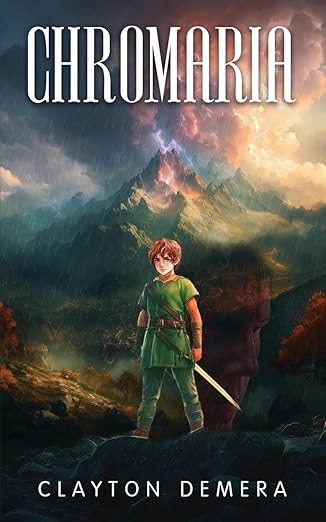
A Divine Allegory Etched in Color – Why 'Chromaria' Is a Must-Read for Allegorical Fiction Fans
In a genre brimming with symbol-rich narratives and mythological arcs, Clayton Demera's Chromaria stands out as a deeply imaginative and spiritually poignant allegorical tale. With roots in fantasy, myth, and spiritual symbolism, this novel crafts a world that is as vibrant as the rainbow covenant it centers around. For lovers of allegorical fiction, Chromaria is not just a story to be read; it is a message to be understood and reflected upon.
Demera builds his world with a mythic tone reminiscent of Tolkien's Silmarillion or Lewis's The Chronicles of Narnia. Seven tribes, each uniquely designed by the Creator, embody distinct aspects of nature, spirit, and human experience. From the seasonal wisdom of the Yellow Tribe to the emotional and spiritual depth of the Purple Tribe, each people group serves as a mirror reflecting the complexity and harmony of divine creation. The Creator's initial covenant, marked by the rainbow, stands as a symbol of unity, love, and balance.
But this balance begins to crumble when the tribes shift their focus from the Creator to the rainbow itself. Demera poignantly captures humanity's tendency to idolize the symbol rather than the source. This theological and philosophical commentary breathes life into Chromaria, making it not only an adventure but also a reflection of the human condition.
Conflict arises through a mystical storm that delivers seventy swords to the land, symbolizing the fragmentation of unity and the dawn of personal vengeance. One of the novel's most compelling arcs is that of Ando, a father who loses his son and becomes consumed by grief and rage. His transformation into a revenge-fueled conqueror, driven by the mysterious and seductive "Darkness," is a cautionary tale about grief, misplaced justice, and the corrupting nature of power.
Parallel to Ando's descent is the redemptive journey of Manu, a young warrior whose path is filled with spiritual awakenings and self-discovery. His connection with his father’s spirit, his sacred mission to retrieve the final sword, and his eventual encounter with the Creator at Divine Mountain make for an emotional crescendo that transcends genre conventions.
The climactic scene, where the Creator reveals himself and offers redemption and restoration, is powerful and profoundly moving. It transforms Chromaria from a tale of tribal conflict into a divine odyssey of mercy, purpose, and reconciliation. The final scenes, which show Manu establishing a new covenant with all the tribes, echo biblical and mythological motifs of renewal, harmony, and divine favor.
For readers seeking more than just magic and battles, Chromaria offers depth. It challenges us to examine our beliefs, our symbols, and our connections with the divine. The story is a masterclass in allegorical writing, weaving spiritual, emotional, and mythological threads into a rich and colorful tapestry.
Simply put, Chromaria is essential reading for those who treasure the spiritual heartbeat of allegorical fiction.