

Unlock the Secrets to Finding the Perfect Men's Wedding Band You'll Love!
Choosing a wedding band is a significant milestone in a man's life, symbolizing commitment, love, and partnership. This piece of jewelry is not just an accessory; it carries deep emotional value and serves as a constant reminder of the vows exchanged. As times have changed, so have the styles and materials available for men's wedding bands. Gone are the days of simple gold bands; today, men have an expansive variety of styles and materials to choose from, allowing them to express their unique personality. It's essential to find a band that resonates with your personal style and values, making it a true reflection of who you are. Whether you prefer classic elegance or modern flair, taking the time to explore your options can lead you to the perfect wedding band.
Understanding Men's Wedding Bands
Men's wedding bands are more than just rings; they are a representation of love and commitment. Traditionally, these bands were designed to be simple and understated, often in gold or platinum. However, the landscape of men's wedding bands has evolved significantly over the years. Today, you can find a plethora of styles ranging from classic and timeless to contemporary and unique. Classic designs typically feature smooth, polished surfaces, while contemporary styles may incorporate intricate patterns or mixed metals. Additionally, alternative designs have emerged, offering options that include unique shapes, materials, and even personalized engravings. As you explore these various styles, consider what resonates with you most, as this will help narrow down your choices.
Materials Used in Men's Wedding Bands
The material of a wedding band plays a crucial role in its appearance, durability, and comfort. Common materials include gold, silver, platinum, titanium, and tungsten. Gold, available in yellow, white, and rose variations, remains a popular choice due to its classic appeal. However, it's essential to note that gold can be softer and more prone to scratching. Platinum, known for its durability and weight, is an excellent choice for those seeking a long-lasting band, though it often comes at a higher price point. Titanium and tungsten, both modern materials, offer exceptional strength and scratch resistance, making them ideal for active lifestyles. Each material has its unique pros and cons, so consider what matters most to you in terms of durability, comfort, and appearance.
Styles of Men's Wedding Bands
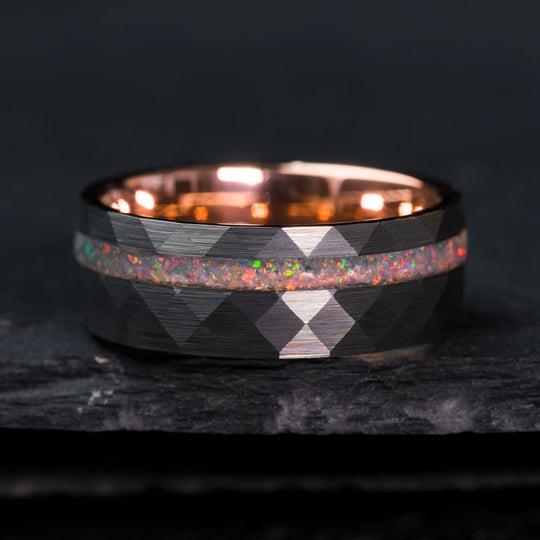
When it comes to styles of men's wedding bands, the options are vast and varied. Plain bands are timeless and versatile, making them suitable for any occasion. Engraved bands add a personal touch, allowing you to include meaningful designs or messages that resonate with your relationship. Some couples opt for bands adorned with gemstones, which can add a unique flair and color. As you consider which style to choose, think about your personal taste, lifestyle, and daily activities. For instance, if you work with your hands or lead an active lifestyle, a simpler style may be more practical. On the other hand, if you want something that expresses your individuality, exploring engraved or gemstone options could be a perfect fit.
Finding the Right Fit
The importance of proper sizing cannot be overstated when it comes to selecting a wedding band. An ill-fitting ring can lead to discomfort and might even be misplaced. To measure your ring size accurately, consider visiting a jeweler or using a reliable online guide. Remember that your fingers may swell or shrink due to various factors such as temperature and activity level, so it's wise to measure at different times for the most accurate result. Additionally, reflect on your lifestyle when determining fit; if you frequently engage in physical activities, you may want a band that fits snugly yet comfortably. Taking the time to ensure the right fit will enhance your overall experience with your wedding band.
Budget Considerations
Setting a budget for a wedding band is essential, as it helps narrow down your options and focus on what truly matters to you. Determine what features are most important, whether it's the material, style, or brand reputation. While it's tempting to splurge on a band, remember that quality doesn’t always equate to high cost. Many beautiful and durable options are available at various price points. Prioritizing your preferences and balancing quality with affordability will ensure you find a band that fits your budget without compromising on what you love.
Choosing Your Ideal Wedding Band
In conclusion, finding the perfect men's wedding band is a journey that requires time and consideration. From understanding the different styles and materials to ensuring the right fit and setting a budget, each step plays a crucial role in the decision-making process. Remember that your wedding band is a symbol of your commitment and love, so it should resonate with your personal style and values. Take your time to explore your options and choose a band that you will cherish for a lifetime. Ultimately, the right wedding band will be one that reflects not only your individual taste but also the beautiful journey you are embarking on together.