Why Sci-Fi Mysteries Keep Us Hooked in 2025
It’s 2025, and mystery is in the air, floating in space, coded into networks, and hidden inside futuristic cities. A new wave of sci-fi storytelling is capturing readers’ imaginations, and it’s not just about aliens, lasers, or deep-space battles. It’s about suspense. It is about the quiet dread that someone is lying, something is broken, and everything might unravel unless one reluctant hero finds the truth.
Welcome to the rise of the sci-fi mystery, where the whodunit collides with the what-if.
From sleek murder puzzles in Knives Out to the cerebral dread of Annihilation, we are hungry for stories that challenge both logic and emotion. Add in high-tech settings, philosophical twists, and morally grey characters, and it’s no surprise that readers are turning to speculative fiction not just for escape, but for thrilling, layered narratives.
CrimeReads observes a noticeable trend toward mystery books with science fiction settings and dystopian outcomes, or "speculative whodunits." The draw? Stakes that feel cosmic but are grounded in human emotion. When a murder threatens the balance of an orbital society, or a malfunction reveals decades of deception, readers are compelled to ask not only “Who did it?” but “What does it mean?”
This new genre wave taps into today’s digital-age anxiety. Here, data is fallible, systems are complex, and the more advanced we become, the more vulnerable we feel. These stories reflect our fear that behind every clean interface, there might be a code, malicious, hidden, and waiting to detonate.
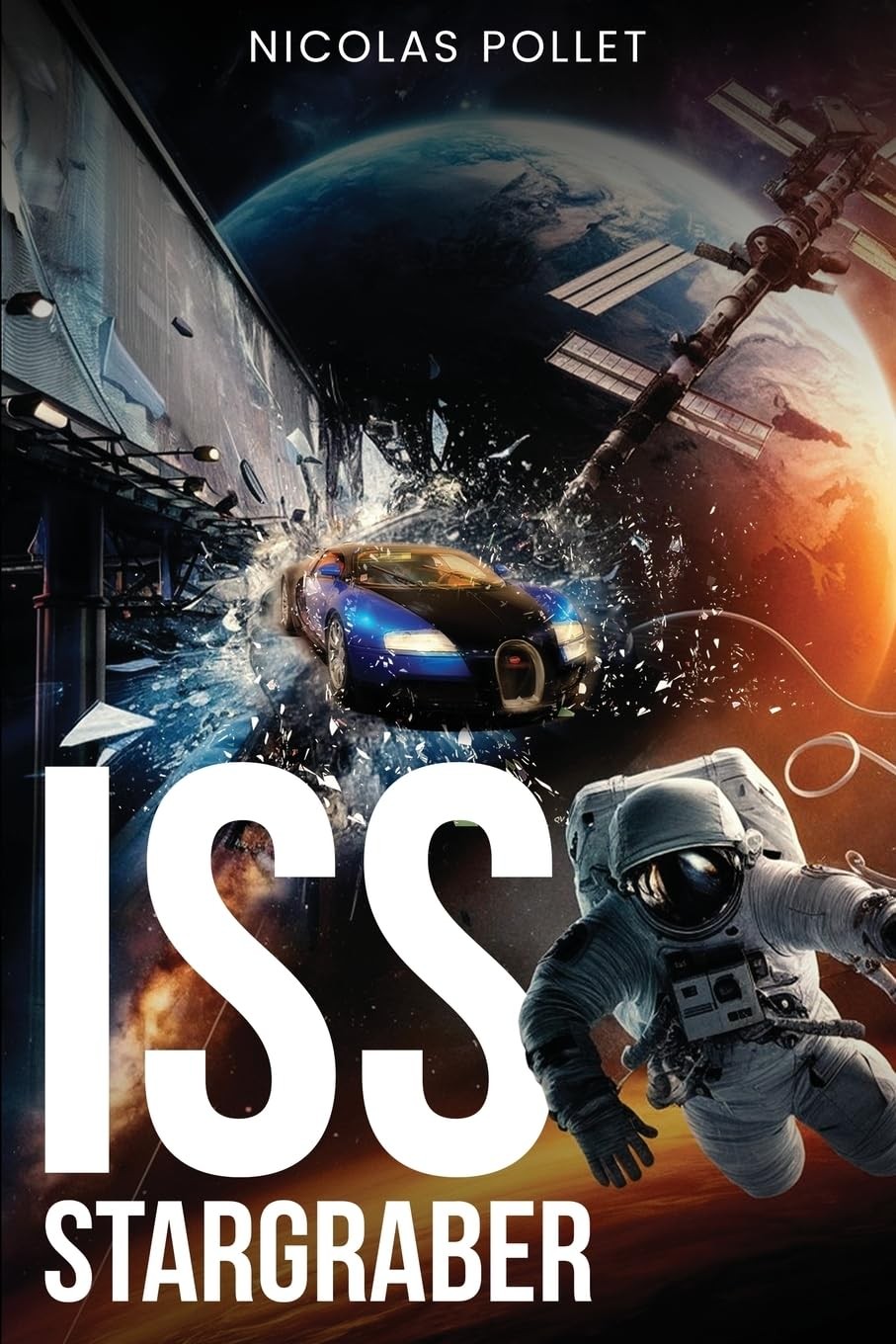
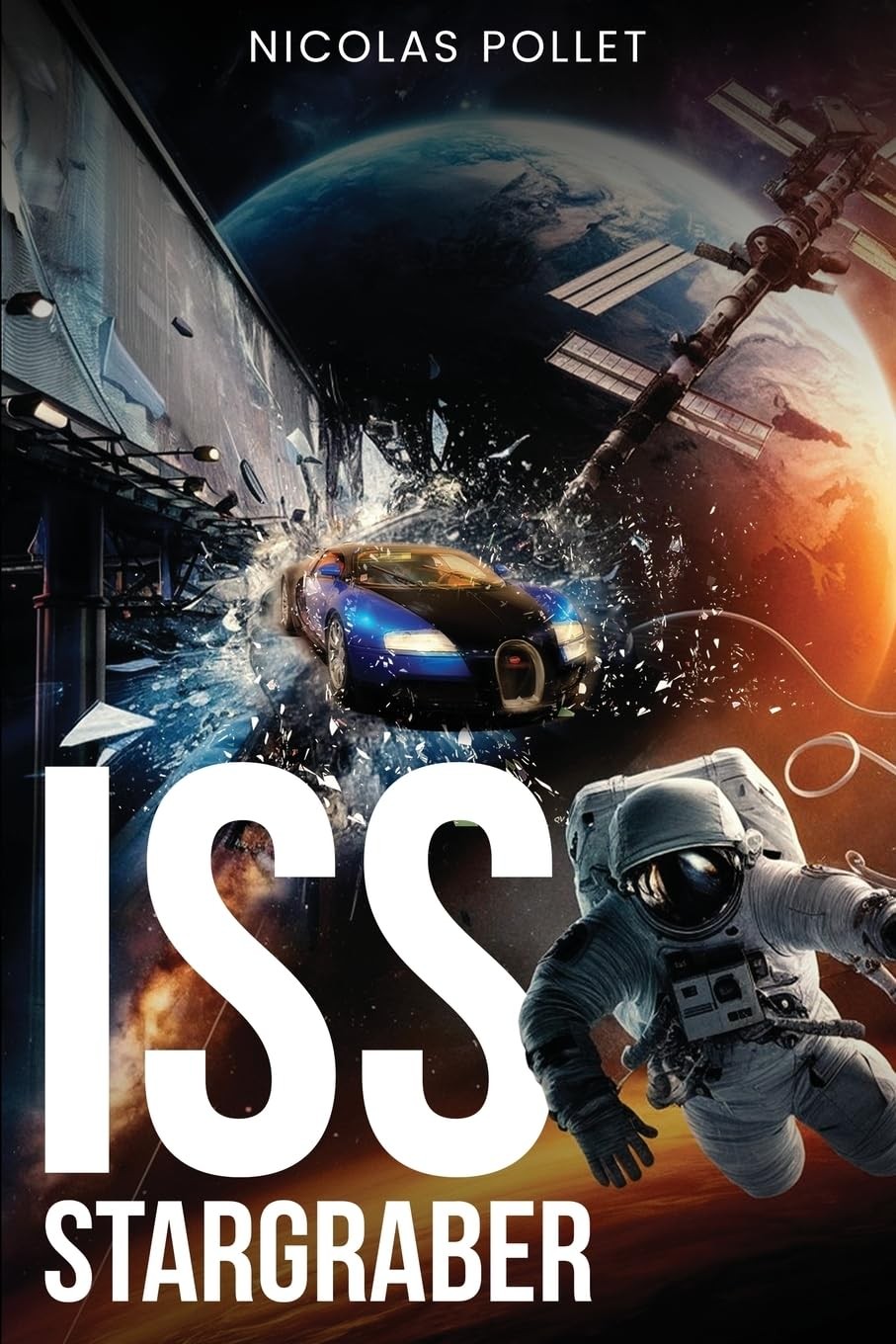
Take the concept of ISS Stargraber, for example. It is a science-fiction novel that fuses high-stakes sci-fi with mystery-driven suspense. It’s a story set on a massive orbital station in 2153, built to provide Earth with limitless energy and maintain planetary unity. But something is wrong. Accidents are piling up. Systems are misfiring. And the only person asking the right questions is a weary security officer named John Desmond.
Desmond’s investigation unfolds like a conspiracy thriller without giving away too much. He’s a character driven by guilt, aided by a sharp-minded geochemist, and constantly met with red tape and doubt. There’s a moment in the book where he says, “I’m still convinced there are other ways.” It’s a line of quiet defiance—a reminder that even in the most ordered system, human will and suspicion can uncover truth.
What makes sci-fi mysteries like ISS Stargraber so gripping is their ability to reflect our world through the lens of what could be. These stories are warnings, puzzles, and revelations about the present and the possible future. They challenge us to think and feel, to trust no one, and to suspect everything.
So whether you’re decoding encrypted transmissions, unlocking buried memories, or piecing together sabotage in a floating utopia, sci-fi mysteries offer something other genres can’t.
If you are looking for your next great speculative thriller, you will find plenty to love in titles like ISS Stargraber. This book combines mystery, character depth, and real-world plausibility. It’s smart, suspenseful, and unforgettable, where nothing is as simple as it seems.
Grab your copy on Amazon: https://www.amazon.com/dp/B0F56P7XVR.