Why Alignment with Your Church’s Vision Matters
Imagine a group of people rowing a boat. If everyone fights in different directions, the boat goes nowhere, or worse, it drifts aimlessly. But when everyone rows together in the same direction, the boat moves quickly toward its destination. The same principle applies in the church: without unity in vision, the mission suffers.
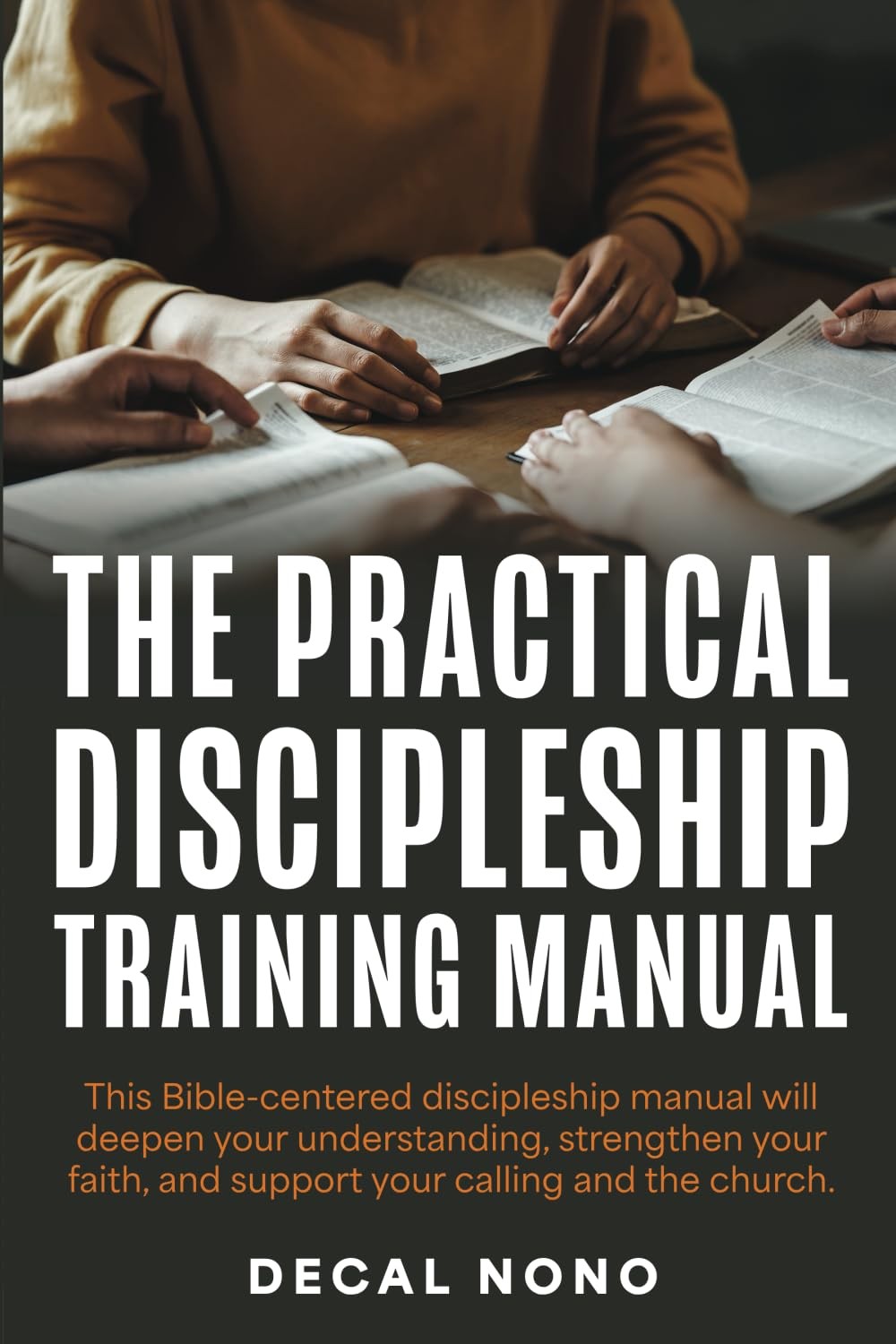
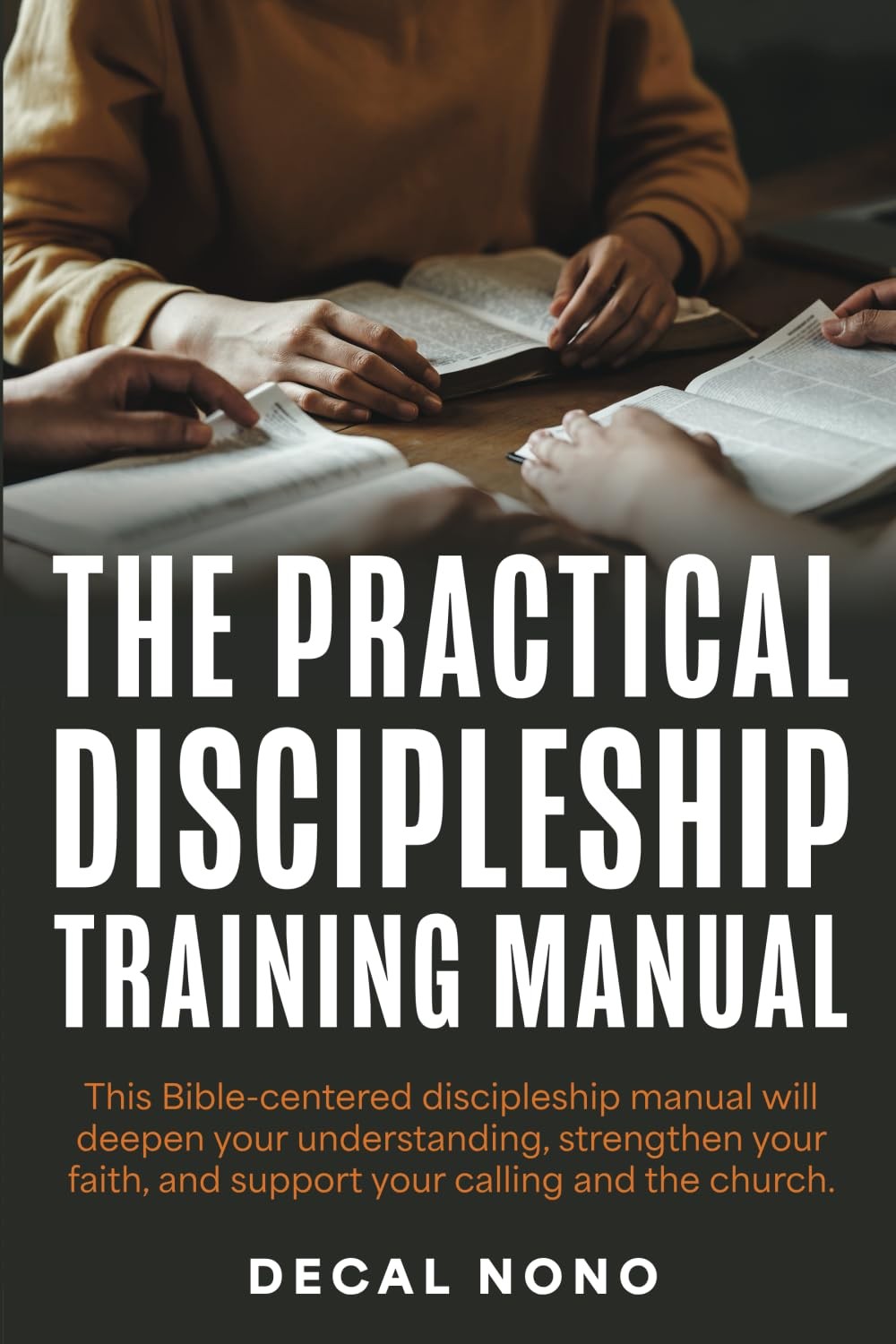
One of the key lessons in Pastor Decal Nono's The Practical Discipleship Training Manual is the importance of understanding and aligning with the vision of their local church. For example, the Great Commission, making disciples of all nations, cannot be fulfilled by isolated individuals working independently. Instead, it requires a body of believers moving in coordination under a shared vision.
In this regard, every church has a God-given purpose. Some focus on evangelism, others on teaching, re-establishment, community outreach, or a mix. A clear vision helps define the “why” behind every activity, program, and ministry effort. When we understand our church’s vision, we see where it is going and how our role contributes to that journey.
As The Practical Discipleship Training Manual explains, disciples who serve without knowing the church’s vision can feel disconnected, frustrated, or even unintentionally work against the overall mission. But when we understand the vision, our service becomes focused and we can follow Jesus’s lead and can contribute to a larger, timeless goal.
The Bible describes the church as one body with many parts (1 Corinthians 12:12). Each member is unique, yet all must work together for the body to remain healthy and effective. Unity is not about everyone doing the same thing. It is about each person faithfully doing their part while pursuing the same mission. With his book, Pastor Nono reminds us that misunderstanding the church’s purpose can cause unnecessary division. However, when we share the same vision, we support one another, respect leadership, and work together rather than competing for personal agendas, strengthening our beliefs and conviction in the LORD.
It is easy to lose interest in serving when you cannot see the bigger picture. But when we understand our church’s vision, whether it is planting new worshipers, serving the poor, or discipling the next generation, we gain a sense of ownership. We stop being passive observers and become active participants in God’s mission and ask ourselves: Does my church’s vision align with the mission of Jesus? If it does, the next step is to commit fully. It means showing up, serving faithfully, giving generously, and praying consistently for the church’s leaders and ministries.
The impact multiplies when a church’s members move in the same direction. Further, discipleship grows deeper, and the community sees a living example of God’s love in action. Alignment with your church’s vision is not just about organisational success, it’s about fulfilling the Great Commission and advancing God’s Kingdom.
As this guide reminds us, every disciple should know the vision of their local church and find ways to actively support it. Being aligned is more than approving with the mission statement; it’s choosing to row in the same direction as the rest of the body, trusting that together you can reach the destination God has set.
Therefore, when you align with your church’s vision, you’re strengthening your local fellowship and joining in the global mission of Jesus Christ. And that’s a boat worth rowing together.
For more information and insight, please read The Practical Discipleship Training Manual.
Head to Amazon to purchase your copy: https://www.amazon.com/dp/1923443070.