The Surgeon as Artist – Remembering When Medicine Was Personal
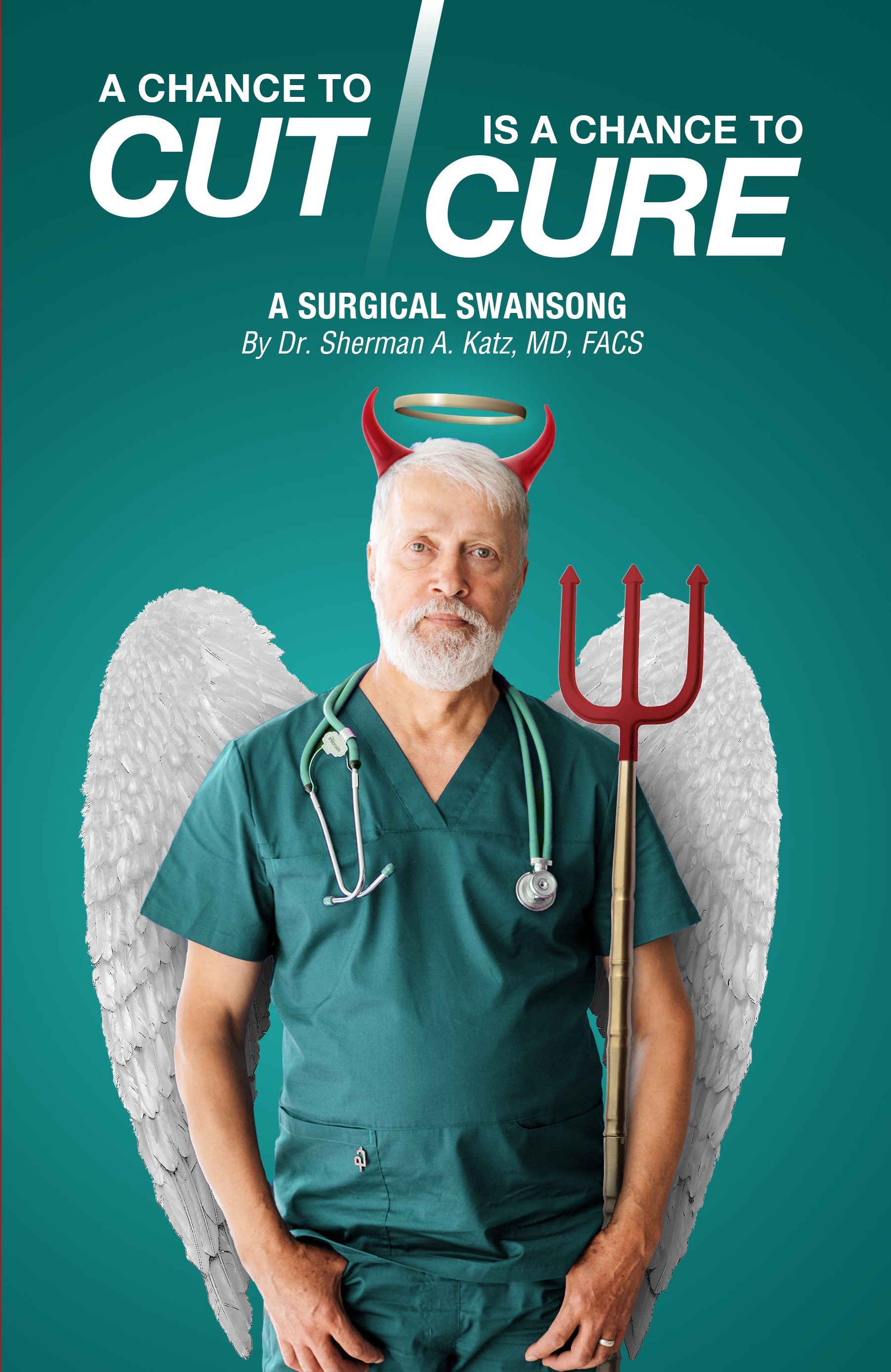
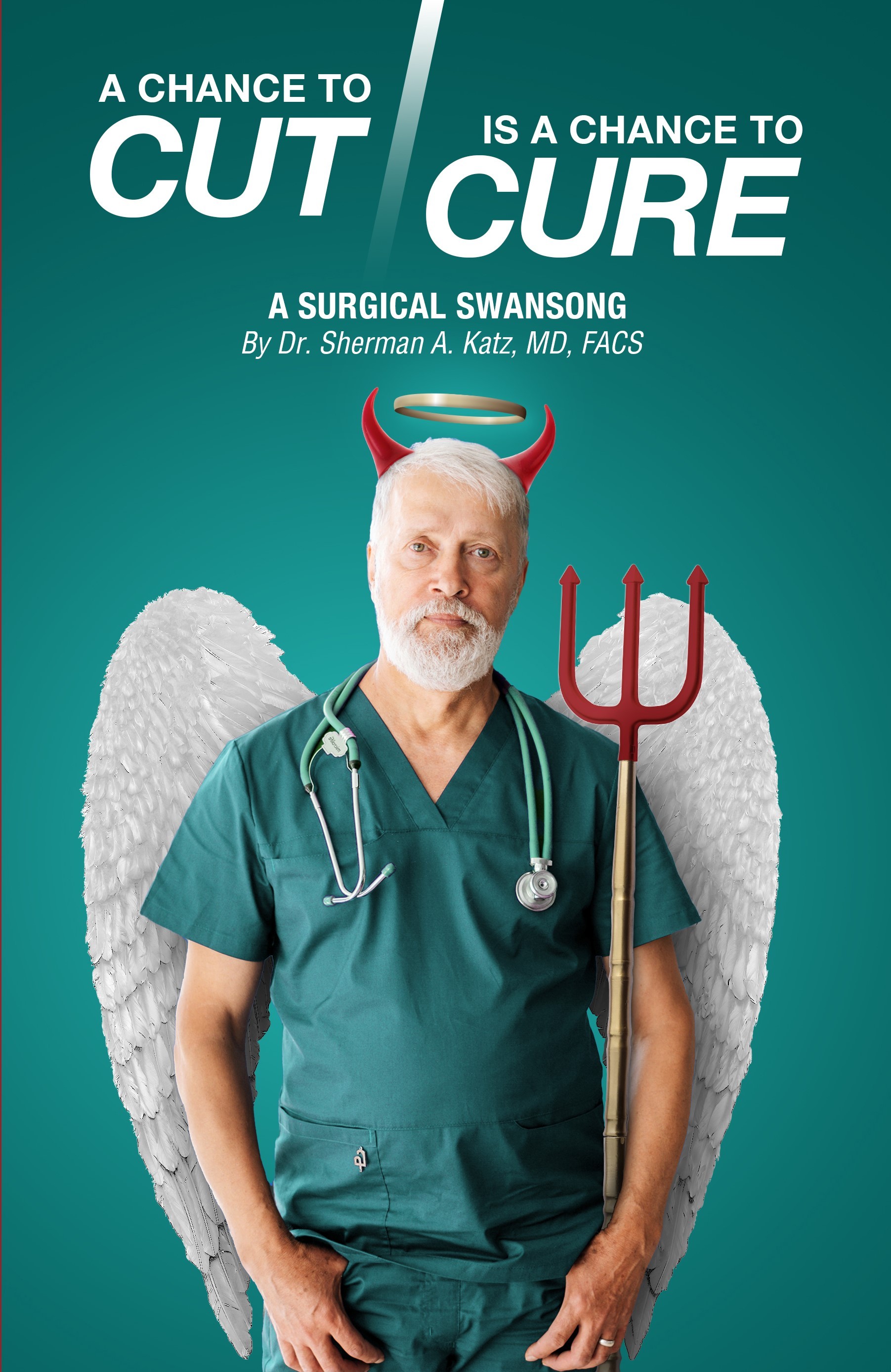
For many, surgery is viewed as a science — sterile, precise, detached. But to Dr. Sherman A. Katz, it was also an art form, a calling, and a deeply human experience. In A Chance to Cut Is a Chance to Cure: A Surgical Swan Song, Katz invites us to remember a time when being a surgeon meant more than clinical competence — it meant intuition, creativity, and connection.
“Touch mattered,” Katz writes. “Before we had images on screens, we had our hands, our ears, our eyes.” He describes performing surgeries guided not only by training, but by something akin to artistry — a feel for tissue, a judgment honed by years at the bedside, and a sensitivity to each patient’s story. There was no substitute for being present.
In his memoir, Katz laments the shift away from this model. Modern medicine leans heavily on imaging, algorithms, and protocols. These tools have undeniable value, but they risk reducing patients to charts and scans. The artist-surgeon — the physician who pauses, observes, senses, and connects — is becoming rare.
Dr. Katz belonged to a generation that viewed surgery as a craft. It demanded not just technical skill but a sense of flow — of knowing when to cut, when to wait, when to close. These decisions weren’t always evidence-based; they were experienced-based. He calls it “medicine with soul.”
He also speaks of relationships. The patient wasn’t a case; they were a person. Katz knew their fears, their families, their faith. This emotional connection fueled his practice. It motivated excellence. “You couldn’t treat a disease,” he writes, “without first seeing the person who carried it.”
Reading A Surgical Swan Song feels like stepping into a time capsule, back to a world where medicine was intimate and imperfect, but deeply human. Katz’s recollections are not sentimental — they are sober and rich with insight. He challenges us to ask: What have we lost in our pursuit of efficiency? What happens when the artist disappears from medicine?
This book isn’t anti-progress — it’s pro-human. Dr. Katz believes we can embrace new tools without abandoning the soul of the profession. The touch, the look, the sense of when something’s “off” — these are irreplaceable. They are what turn a technician into a healer.
As Katz hangs up his scalpel, he offers a tribute not just to the techniques of the past, but to the values that shaped them: care, presence, and the quiet artistry of healing. For aspiring physicians, patients, and anyone who believes medicine should be more than a transaction, this memoir is both a celebration and a warning — a lyrical reminder that cutting can be curing, but only when guided by the hand — and heart — of an artist.
book is now live on amazon : https://www.amazon.com/dp/1968615334/