The Thirteen Celtic Treasures Explained:
Myth, Meaning, and Magic
Ancient stories often survive because they give shape to ideas that still matter. Among Celtic legends, few elements are as fascinating as the Thirteen Celtic Treasures. These objects are not simple magical items. They are symbols of responsibility, leadership, and the careful use of power. Their presence in storytelling continues to capture young readers because each treasure serves a purpose beyond magic alone.
What Are the Thirteen Celtic Treasures
The Thirteen Celtic Treasures come from early British and Welsh mythology. Each treasure was believed to have special abilities that helped rulers govern wisely, protect their people, or maintain balance. Unlike many fantasy objects, these treasures were not created for conquest. They existed to serve the greater good.
Commonly named treasures include a powerful sword, a magical cauldron, a self-playing harp, a drinking horn that never emptied, and a hamper that could feed many people from a small supply. Each object solved a real problem, such as hunger, defense, or fairness, making the legends feel grounded and practical.
The Meaning Behind the Magic
What makes these treasures meaningful is not their power but how that power is used. The sword represents justice rather than violence. The cauldron reflects care and provision. The harp symbolizes peace and harmony. These items show young readers that strength should be guided by wisdom and compassion.
This idea is especially important for middle-grade readers who are learning about responsibility. Stories involving these treasures encourage children to think about consequences and ethical choices without turning the lesson into a lecture.
How the Treasures Shape the Quest
In modern storytelling inspired by Celtic myth, the treasures often serve as anchors for the plot. They give structure to the journey and clear goals for the characters.
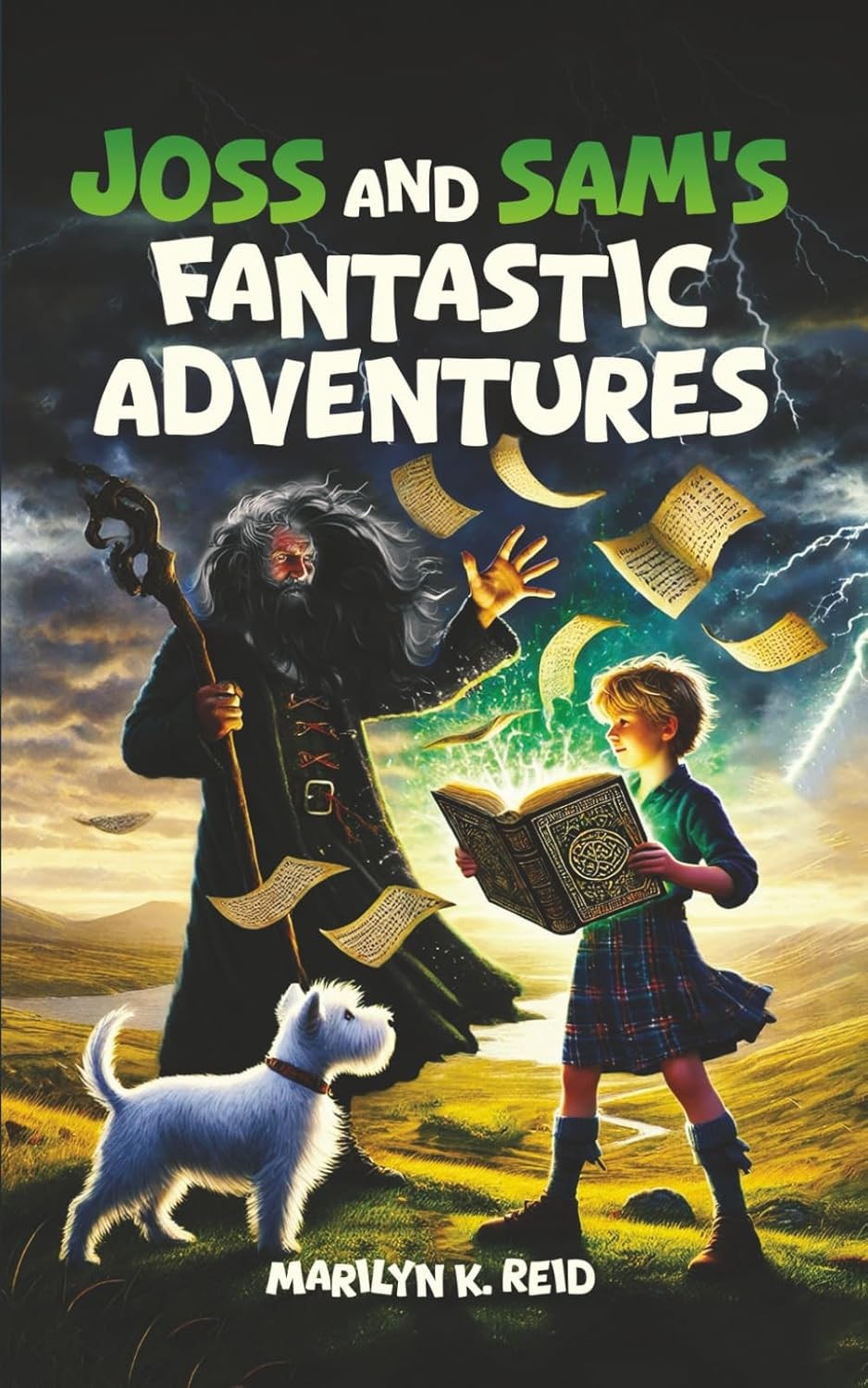
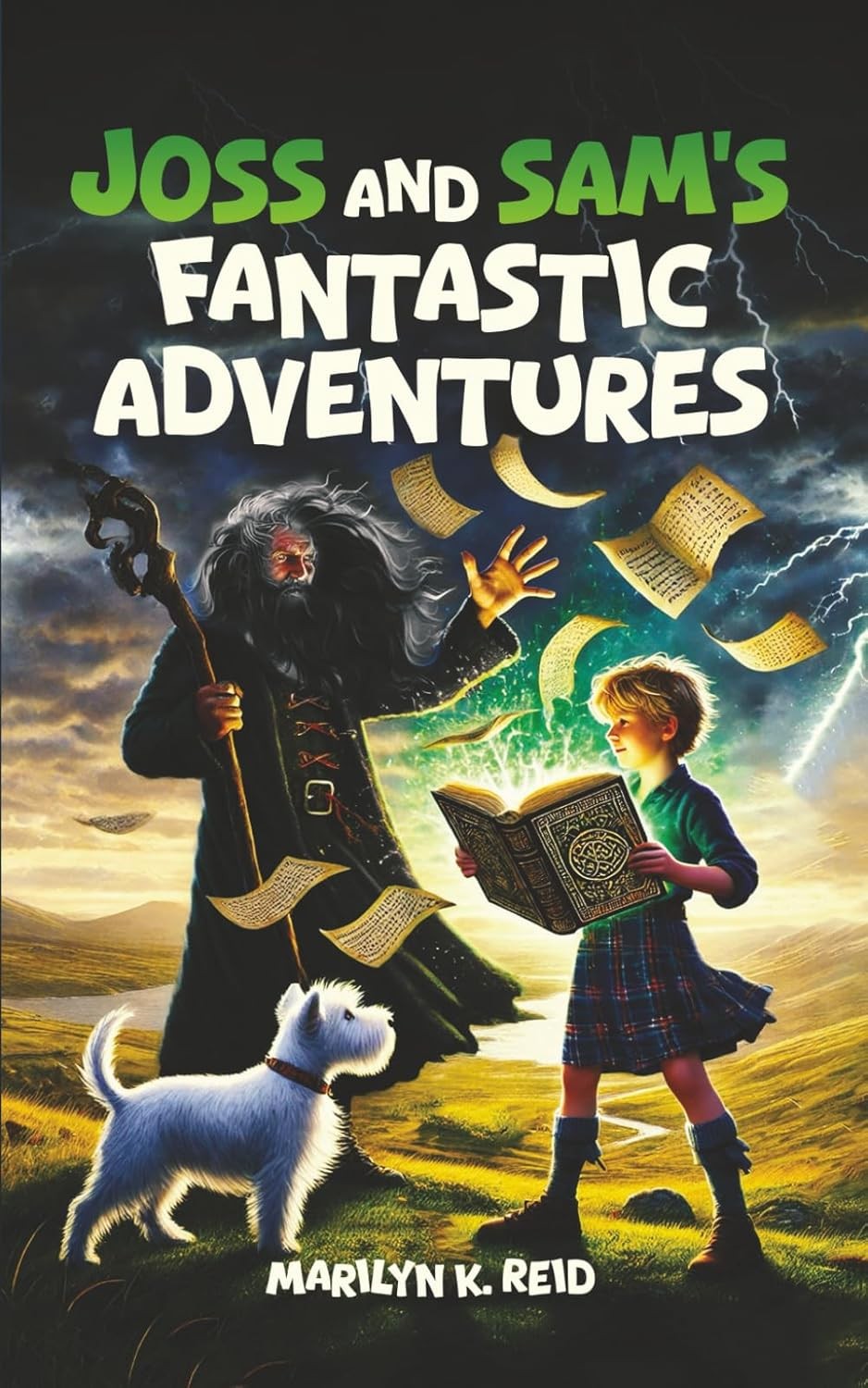
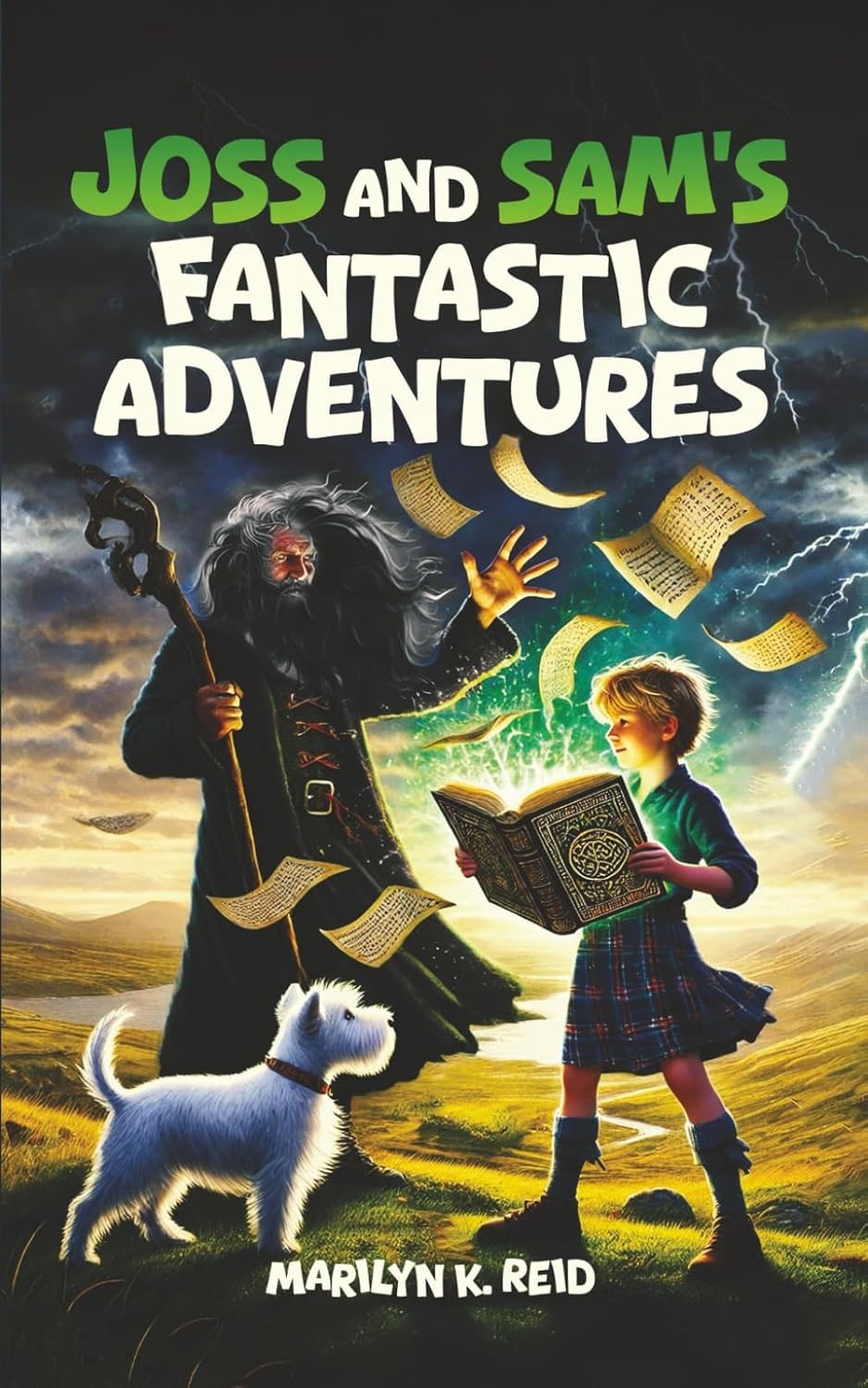
In Joss and Sam’s Fantastic Adventures Book 2 by Marilyn K. Reid, the Thirteen Celtic Treasures are central to the unfolding adventure. The search for these items pushes the characters across different lands and challenges them to work together. Each treasure recovered brings the heroes closer to restoring balance and protecting ancient knowledge.
Why These Legends Still Work for Young Readers
Children respond strongly to stories where objects carry meaning. The treasures give young readers something concrete to understand while exploring larger ideas like courage, loyalty, and fairness. The clear goals of finding and protecting the treasures help maintain focus and momentum throughout the story.
The presence of familiar figures like Merlin and King Arthur also helps bridge ancient myth and modern storytelling. These characters guide rather than dominate, allowing young heroes to grow through their own choices.
A Story Worth Exploring
The Thirteen Celtic Treasures remain powerful because they blend magic with purpose. They remind readers that true strength lies in how power is used, not how much of it exists.
For readers who want to experience these legends through an engaging and accessible adventure, Joss and Sam’s Fantastic Adventures Book 2 by Marilyn K. Reid offers a thoughtful journey into Celtic mythology. It is an inviting way for young readers to explore myth, meaning, and magic while enjoying a well-grounded quest.
Explore Joss and Sam’s Fantastic Adventures Book 2 by Marilyn K. Reid, available on Amazon: https://www.amazon.com/dp/B0G7WR9TVT/.