Justknock Professional Social Networking Platform Logo
    • Advanced Search
  • Guest
    • Login
    • Register
    • Night mode
OVS Recycling Cover Image
User Image
Drag to reposition cover
OVS Recycling Profile Picture
OVS Recycling
  • Timeline
  • Groups
  • Likes
  • Friends
  • Photos
  • Videos
  • Reels
OVS Recycling profile picture
OVS Recycling
1 d - Translate

The Importance of Compost Equipment in Modern Waste Management

Introduction
Effective organic waste management has become increasingly important as businesses, municipalities, and environmental organisations look for practical ways to reduce landfill waste and improve sustainability. Modern compost equipment plays a major role in this process by helping transform organic materials such as food waste, garden waste, agricultural residues, and green waste into useful compost. With the right machinery, composting operations can handle larger volumes of material, improve processing efficiency, and produce a consistent end product while reducing the costs associated with manual waste handling.

As the focus on the circular economy continues to grow, businesses are looking for machinery solutions that offer both economic and environmental benefits. Used recycling and composting machinery can be an excellent option for companies that need reliable equipment without the high investment associated with purchasing brand-new machines.

What Is Compost Equipment?
Compost equipment refers to a wide range of machinery used to process, manage, and transform organic waste into compost. Depending on the scale and type of operation, this can include compost turners, shredders, screeners, crushers, conveyors, loaders, and other material-processing machinery.

Each machine can perform a specific function within the composting process. For example, shredders can reduce the size of organic materials, making them easier to process. Compost turners can mix and aerate composting materials, while screeners can separate finished compost from larger particles.

Using suitable machinery can make the entire composting process more efficient and manageable, particularly for businesses processing significant quantities of organic material.

Why Is Composting Important?
Composting provides an effective way to divert organic waste away from landfill. When organic materials are sent to landfill, they can contribute to environmental problems and represent a loss of potentially valuable resources.

Through composting, organic waste can instead be converted into a useful soil amendment. Finished compost can be used in agriculture, landscaping, horticulture, gardening, and land restoration.

Composting also supports the principles of a circular economy. Rather than treating organic waste as something that simply needs to be disposed of, businesses can process it into a product that has practical value.

For organisations handling large amounts of green or organic waste, efficient machinery can make it easier to achieve these environmental objectives while maintaining commercially viable operations.

The Role of Compost Turners
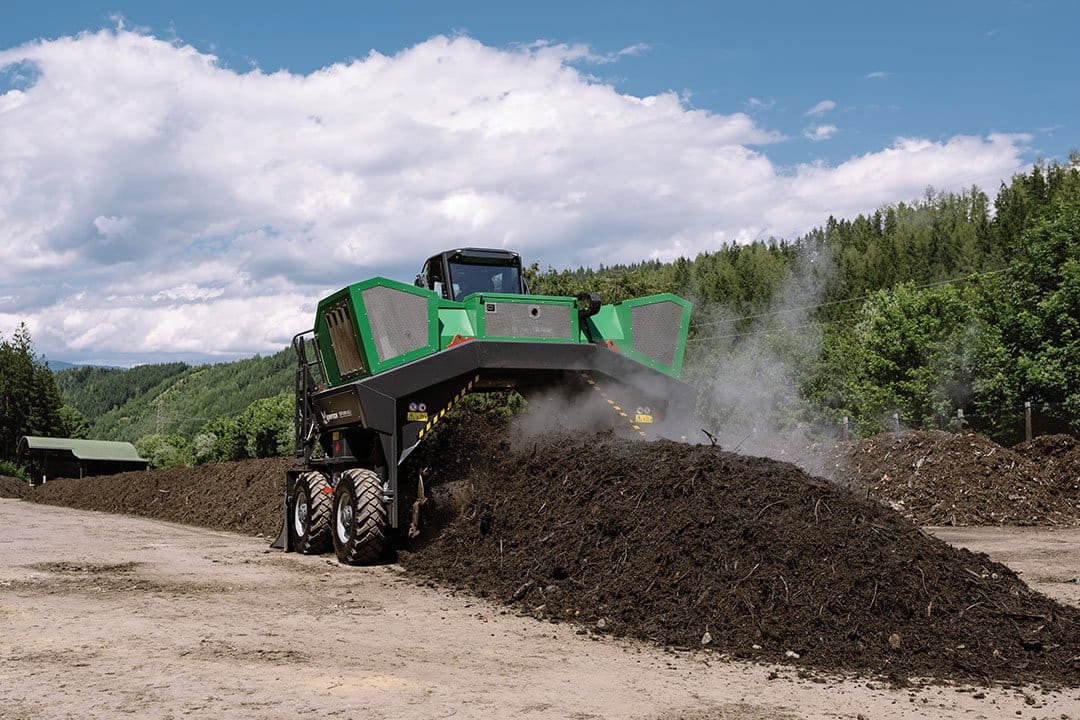
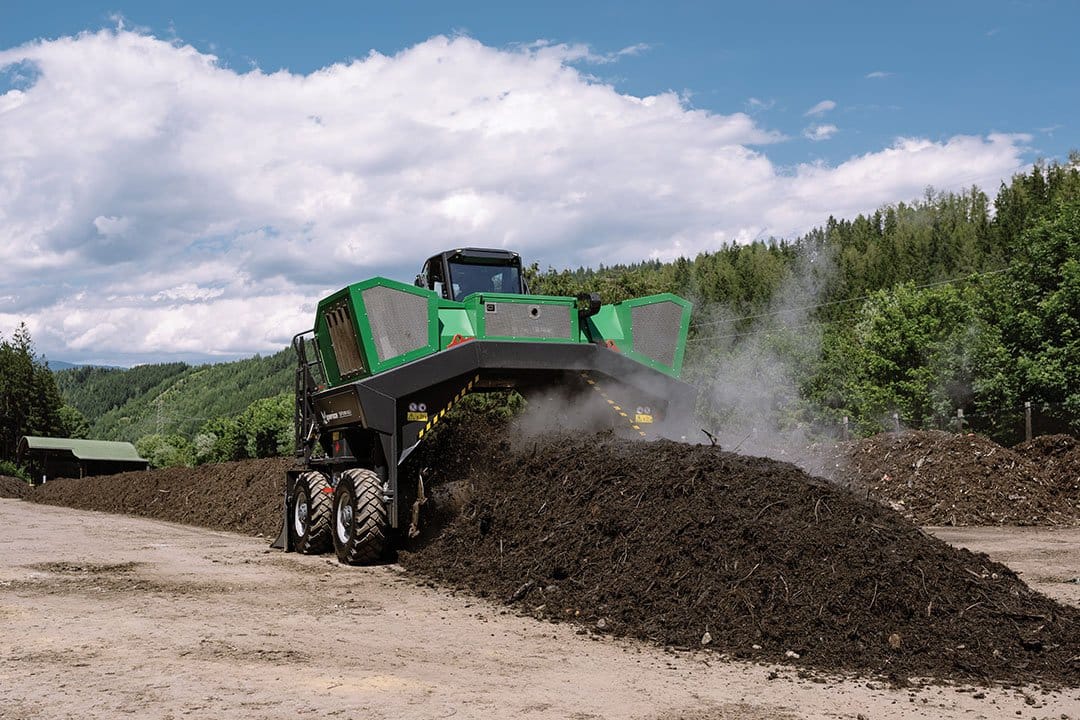
Compost turners are among the most important machines used in large-scale composting operations. During composting, organic materials need sufficient oxygen, moisture, and mixing to encourage effective decomposition.

A compost turner helps mix the composting material and introduce oxygen throughout the windrow or compost pile. Regular turning can improve the consistency of the material and help create more favourable conditions for the composting process.

For commercial composting facilities, using machinery rather than relying entirely on manual turning can significantly improve productivity. Operators can process larger quantities of material in less time, helping the facility manage incoming waste more efficiently.

The appropriate compost turner depends on factors such as the volume of material, available working space, type of organic waste, and desired processing capacity.

Benefits of Using Recycling and Composting Machinery
Investing in suitable machinery can provide several benefits to composting and recycling businesses.

1. Improved productivity

Machinery can process substantially larger quantities of material compared with manual methods. This is particularly important for commercial facilities dealing with continuous waste streams.

2. Reduced labour requirements

Automated and mechanised processes can reduce the amount of manual work required for tasks such as mixing, turning, screening, and material handling.

3. Better material consistency

Equipment can help ensure that organic material is processed more uniformly. Consistent particle sizes and thorough mixing can contribute to a more manageable composting process.

4. Lower operating costs

Choosing reliable used machinery can help businesses obtain the equipment they need without making the same capital investment required for new machinery.

5. Environmental benefits

Reusing existing machinery can support sustainability by extending the useful life of equipment and reducing the demand for manufacturing completely new machines.

Why Consider Used Compost Equipment?
For many businesses, purchasing new machinery can require a significant financial investment. Used compost equipment provides an alternative that can offer considerable value when properly sourced and inspected.

A high-quality used machine can continue to deliver reliable performance for many years when it has been appropriately maintained. Businesses can therefore gain access to established machinery while potentially reducing their initial capital expenditure.

Used equipment can also be particularly attractive for businesses expanding their operations, replacing an older machine, or testing a new recycling or composting process.

However, buyers should carefully assess the machine's condition, specifications, maintenance history, operating hours, and suitability for their intended application before making a purchase.

Choosing the Right Machinery
Selecting composting machinery should begin with an understanding of the business's operational requirements. There is no single machine that is suitable for every composting facility.

Businesses should consider the type of organic material they process. Green waste, food waste, agricultural residues, wood waste, and mixed organic materials can have different processing requirements.

The volume of material is another important consideration. A small operation may require compact machinery, whereas a large commercial facility may need high-capacity equipment capable of processing substantial volumes.

Available space, transportation requirements, power or fuel requirements, maintenance needs, and budget should also be considered.

Choosing equipment based purely on purchase price can sometimes lead to higher costs later. Reliability, performance, availability of parts, ease of maintenance, and suitability for the application are equally important.

Compost Equipment and the Circular Economy
The circular economy focuses on keeping resources in use for as long as possible while minimising waste. Recycling and composting are important parts of this approach because they allow materials that might otherwise become waste to be recovered and reused.

Conclusion
Modern composting operations require reliable machinery to process organic waste efficiently and support sustainable waste-management practices. From compost turners and shredders to screeners and material-handling equipment, the right machinery can improve productivity, reduce labour requirements, and help businesses make better use of valuable organic resources. Choosing quality used equipment can also provide a cost-effective way to expand operations while supporting the reuse of existing machinery.

With its focus on sourcing, buying, selling, and exporting reliable used recycling and waste management machinery, OVS Recycling Ltd provides businesses with practical equipment solutions designed around efficiency, affordability, and sustainability. By extending the useful life of valuable machinery, OVS Recycling Ltd supports customers while contributing to a more resource-efficient and circular approach to waste management. For more details visit us at https://ovsrecycling.co.uk/used-compost-equipment/

Compost Equipment - OVS Recycling
ovsrecycling.co.uk

Compost Equipment - OVS Recycling

Looking for reliable used composting equipment? We offer a range of compost turners, trommel screens, and windrow turners from top brands like Komptech, Backhus, Jenz, and Doppstadt. Our machines help optimize aeration, screening, and processing for
Like
Comment
Share
OVS Recycling profile picture
OVS Recycling
1 w - Translate

Used Compost Turner for Sale: A Complete Guide to Choosing the Right Machine

Introduction
Finding the right used compost turner for sale can be an excellent way for recycling businesses, composting facilities, farms, and waste management companies to improve their composting operations without the high cost of purchasing brand-new machinery. Compost turners play an important role in transforming organic waste into nutrient-rich compost by regularly mixing, aerating, and turning the material. However, buying used equipment requires careful consideration of its condition, specifications, performance, and suitability for your operation. With the right approach, a quality second-hand compost turner can provide reliable performance while helping businesses reduce capital expenditure and support more sustainable equipment reuse.

What Is a Compost Turner?
A compost turner is a specialised machine designed to mix and aerate organic materials during the composting process. Composting depends on the right balance of oxygen, moisture, temperature, and organic material. Without sufficient aeration, compost piles can become compacted and develop anaerobic conditions, resulting in unpleasant odours and slower decomposition.

Compost turners solve this problem by mechanically moving and mixing the material. Depending on the type of machine, the turner may work on long windrows, large compost piles, or other processing systems. Regular turning distributes heat and moisture more evenly while introducing oxygen into the material.

For commercial composting operations, this can significantly improve productivity compared with manually turning organic waste.

Why Consider a Used Compost Turner?
One of the biggest advantages of purchasing used composting equipment is cost savings. New specialist machinery can require a significant investment, which may not be practical for smaller businesses or companies expanding their operations.

A used machine can provide many of the same core functions at a considerably lower purchase price, depending on its age, condition, manufacturer, and specifications.

Another advantage is equipment availability. Used machinery is often already manufactured and available for immediate purchase, whereas new machines may involve manufacturing and delivery lead times.

Buying used also supports the principles of the circular economy. Instead of sending functioning machinery into storage or disposal, businesses can give existing equipment a second working life. This reduces unnecessary manufacturing demand and makes better use of existing industrial resources.

Key Factors to Consider Before Buying
Although buying used machinery can offer significant advantages, it is important to assess the machine carefully before making a purchase.

1. Machine Condition
The overall condition of the compost turner should be one of your first considerations. Inspect important components for excessive wear, corrosion, damage, or signs of poor maintenance.

Pay particular attention to the turning mechanism, conveyor systems, hydraulic components, engine, belts, chains, bearings, and other moving parts.

If possible, request maintenance records and information about previous use. A machine that has been regularly serviced may offer better reliability than one that has experienced heavy use without proper maintenance.

2. Capacity and Output
Different compost turners are designed for different processing capacities. Before purchasing equipment, determine how much organic material your operation needs to process.

Consider factors such as:

Windrow dimensions
Processing capacity per hour
Turning width
Maximum pile height
Travel speed
Material type
Required turning frequency
Choosing a machine that is too small can create bottlenecks and reduce productivity. On the other hand, purchasing a machine significantly larger than your requirements may result in unnecessary costs.

3. Engine and Power System
For self-propelled compost turners, the engine and powertrain are critical components. Ask about engine hours, servicing history, fuel type, and previous repairs.

Check for oil leaks, unusual noises, excessive smoke, or difficulties starting the engine. Hydraulic systems should also be inspected for leaks and signs of pressure loss.

For towable or tractor-powered equipment, make sure your existing tractor or machinery has sufficient power and the correct connection system.

4. Turning Mechanism
The turning mechanism is effectively the heart of a compost turner. It is responsible for lifting, mixing, and aerating the organic material.

Inspect the rotor, paddles, blades, teeth, shafts, and other components for wear. Replacement components can sometimes be expensive, so it is worth determining their condition before purchasing.

Ask whether replacement parts are readily available and whether the manufacturer or supplier can provide technical support.

5. Maintenance Requirements
Every machine requires maintenance, but older equipment may require more attention than newer models.

Write on Medium
Before buying, find out:

How frequently the machine requires servicing
Which components need regular replacement
Whether spare parts are available
Whether specialist technicians are required
What maintenance was previously carried out
Whether the machine comes with service documentation
Understanding these requirements will help you calculate the machine’s overall operating cost rather than focusing only on its initial purchase price.

Different Types of Compost Turners
Compost turners are available in several configurations, each suited to different applications.

Self-Propelled Compost Turners
Self-propelled machines have their own engine and drive system. They are commonly used in larger commercial composting operations where high productivity and continuous processing are required.

They can be a good choice for facilities handling large quantities of green waste, food waste, agricultural residues, and other organic materials.

Tractor-Pulled Compost Turners
These machines are designed to be operated using a tractor. They can be attractive to farms and smaller composting operations that already own suitable agricultural equipment.

Conclusion
A quality used compost turner for sale can be a practical investment for businesses looking to improve organic waste processing while controlling equipment costs. From farms and commercial composting facilities to recycling and waste management companies, the right machine can improve aeration, productivity, temperature management, and the consistency of finished compost.

The key is to look beyond the initial price and carefully evaluate the machine’s condition, capacity, maintenance history, turning mechanism, power system, spare-part availability, and suitability for your specific application. Working with an experienced used machinery supplier can also make the purchasing process easier by providing accurate equipment information and support.

By selecting well-maintained second-hand equipment, businesses can reduce capital expenditure while extending the useful life of existing machinery. For organisations focused on efficient waste processing and sustainable resource management, investing in reliable used composting equipment can be a smart and cost-effective step toward a more productive operation. For more details visit us at https://ovsrecycling.co.uk/used-compost-equipment/

Compost Equipment - OVS Recycling
ovsrecycling.co.uk

Compost Equipment - OVS Recycling

Looking for reliable used composting equipment? We offer a range of compost turners, trommel screens, and windrow turners from top brands like Komptech, Backhus, Jenz, and Doppstadt. Our machines help optimize aeration, screening, and processing for
Like
Comment
Share
OVS Recycling profile picture
OVS Recycling
1 w - Translate

Used Recycling Machinery UK: A Cost-Effective Solution for Sustainable Waste Management

Introduction
The demand for efficient and sustainable waste management solutions is growing across the UK, making used recycling machinery UK a practical choice for businesses looking to improve their recycling operations without the high cost of purchasing brand-new equipment. From shredders and crushers to screeners, chippers and composting equipment, used machinery can provide reliable performance while helping companies reduce capital expenditure. As businesses face increasing pressure to minimise waste, recover valuable materials and operate more sustainably, investing in quality pre-owned recycling machinery can be an effective way to achieve these goals.


Why Is Recycling Machinery Important?
Recycling machinery plays an important role in transforming waste materials into reusable resources. Modern waste streams can contain everything from construction materials and green waste to wood, plastics, metals and organic materials. Manually processing these materials can be time-consuming, labour-intensive and inefficient.

Specialised recycling equipment helps businesses process large quantities of waste more quickly and consistently. Depending on the type of material being handled, machinery can shred, crush, screen, separate, chip or compost waste.

For recycling companies, construction businesses, waste management operators and agricultural organisations, the right machinery can improve productivity while reducing the amount of material sent to landfill.

The Benefits of Choosing Used Recycling Machinery
One of the biggest advantages of purchasing used equipment is cost savings. New recycling machinery can require a significant investment, particularly for businesses that need several machines to complete different stages of their processing operation.

Used equipment can provide an opportunity to access established machinery at a more affordable price. This can be especially beneficial for smaller companies, start-ups or businesses expanding their recycling capacity.

Another advantage is availability. New machinery may sometimes involve manufacturing and delivery lead times. Used machinery that is already available can potentially be sourced and deployed much sooner, allowing businesses to increase their processing capacity without unnecessary delays.

Quality used machinery can also offer excellent durability. Recycling equipment is generally designed to handle demanding working conditions, and many established machines can continue providing productive service when properly maintained.

Types of Used Recycling Machinery Available
Different recycling applications require different types of machinery. Understanding the purpose of each machine can help businesses select equipment that matches their operational requirements.

Shredders
Shredders are widely used to reduce large or bulky materials into smaller, more manageable pieces. They can be suitable for processing materials such as wood, green waste, plastics and other recyclable materials.

By reducing material size, shredders can make subsequent processing, transportation and sorting more efficient.

Crushers
Crushers are particularly useful when processing hard materials such as concrete, rubble and construction waste. They reduce larger materials into smaller aggregates that may be suitable for reuse or further processing.

For construction and demolition businesses, having access to suitable crushing equipment can help reduce disposal costs and increase material recovery.

Screeners
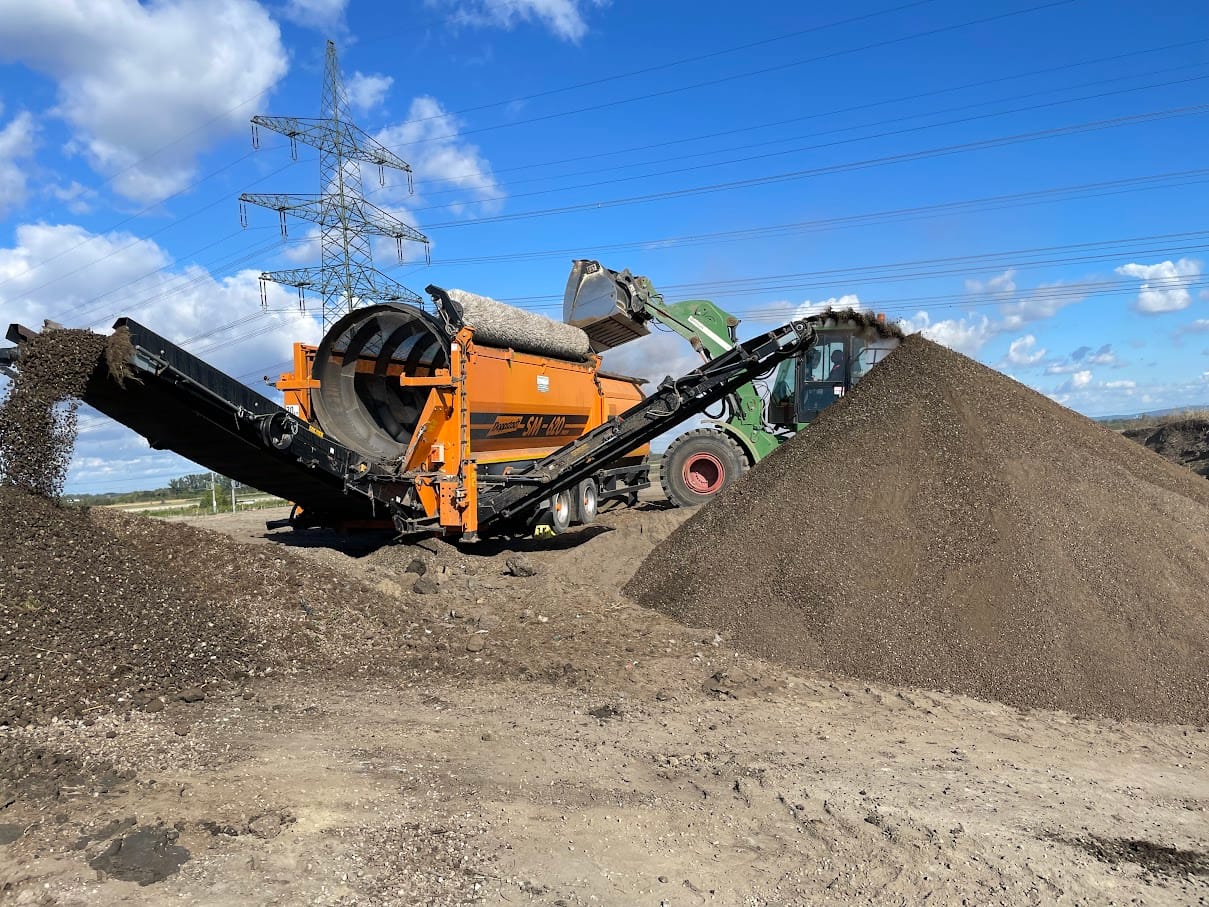
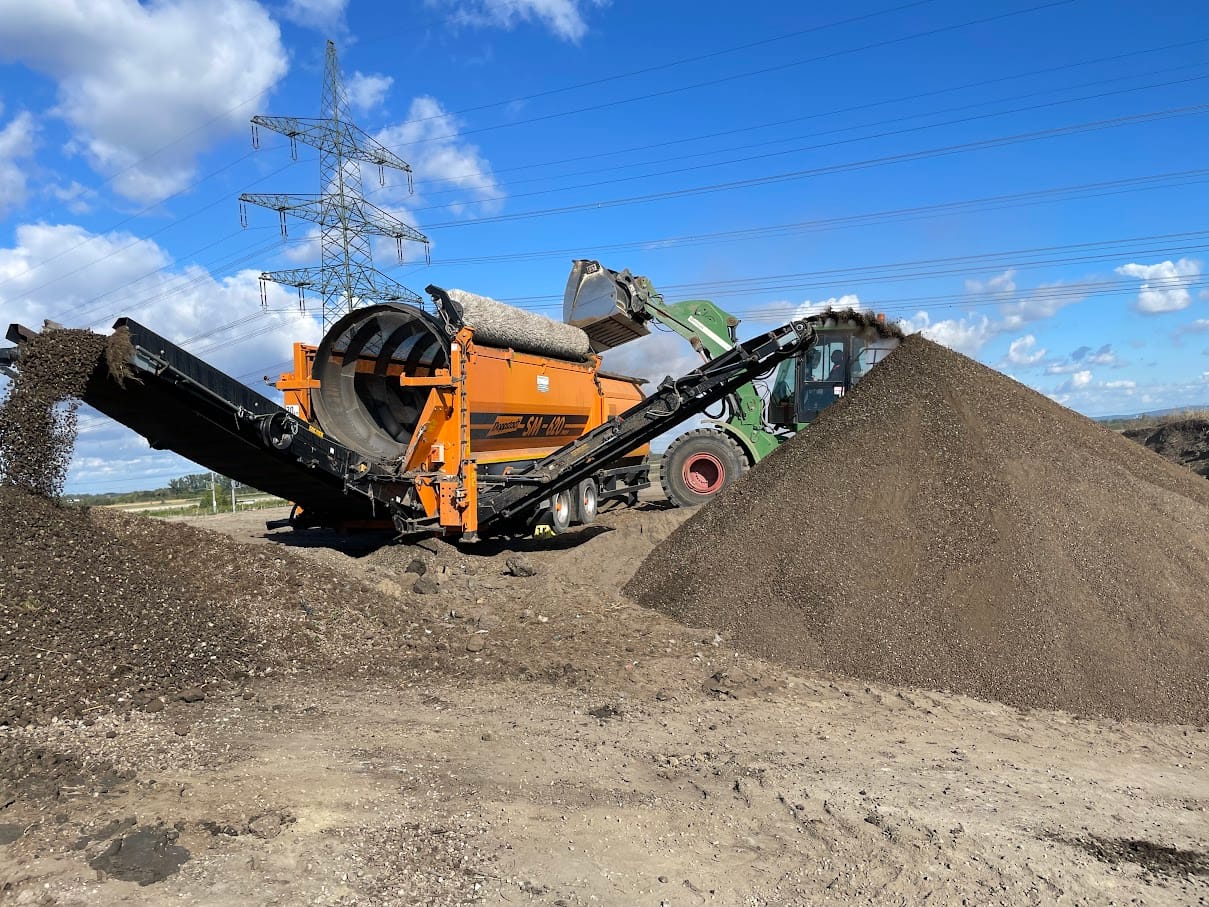
Screeners are used to separate materials according to size. They are an important part of many recycling and aggregate-processing operations because they allow businesses to produce more consistent material grades.

Screening equipment can be used alongside crushers and other processing machinery to create a more efficient recycling system.

Chippers
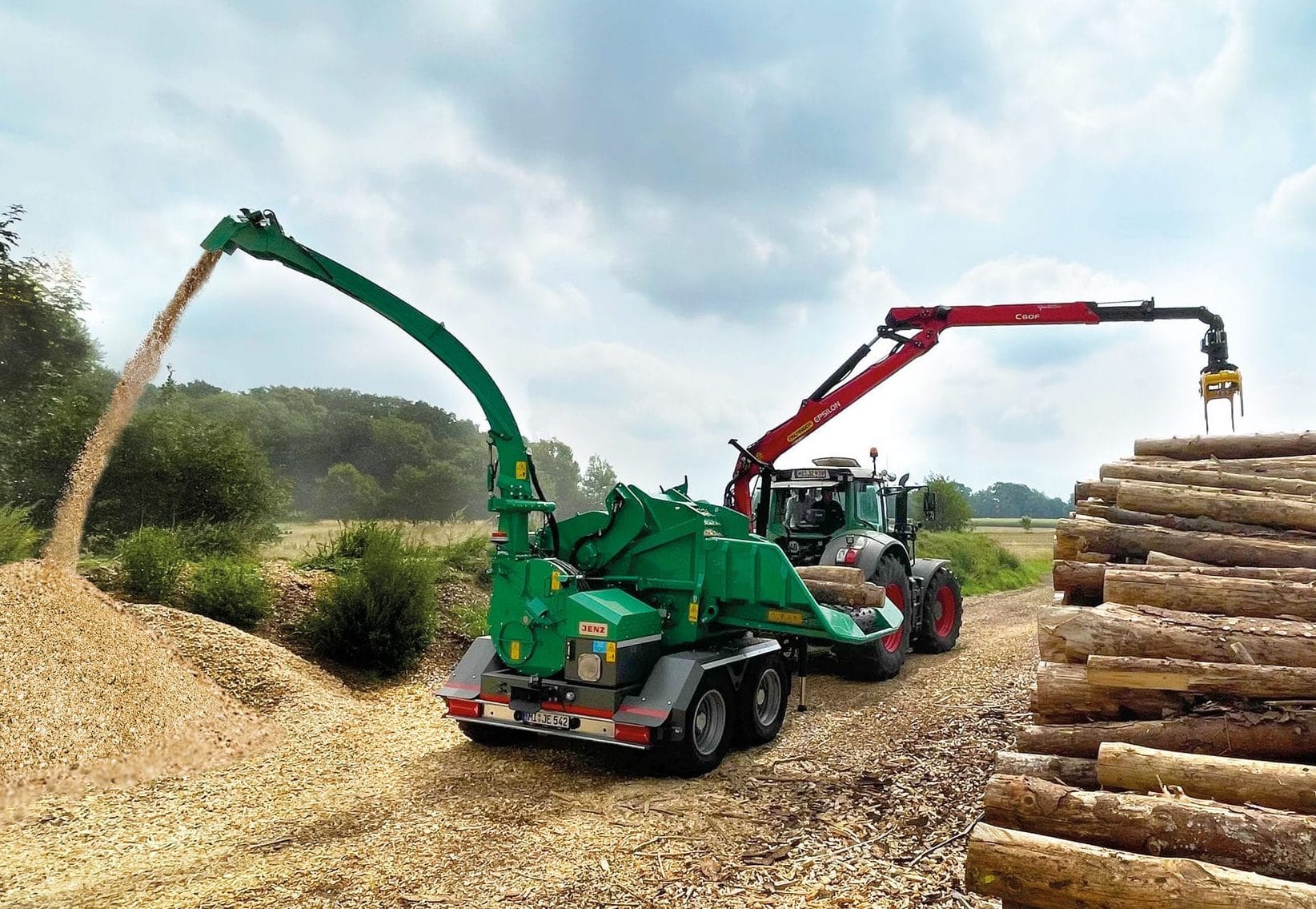
Wood chippers process branches, timber and other woody materials into smaller wood chips. They are commonly used by landscaping companies, forestry operations, arborists and green waste processors.

The resulting material can potentially be used for biomass, landscaping applications, mulch or other purposes depending on its quality and composition.

Composting Equipment
Organic waste can be transformed into useful compost through controlled processing. Used compost equipment can help businesses manage green waste and other suitable organic materials on a larger scale.

For organisations dealing with substantial volumes of organic waste, suitable composting machinery can improve efficiency and reduce reliance on landfill disposal.

Material Handlers
Material handlers are designed to assist with the movement and handling of waste and recyclable materials. They can be particularly useful in busy recycling yards where large volumes of material need to be moved between different processing stages.

Efficient material handling can help reduce manual labour and improve overall workflow.

What Should You Check Before Buying Used Machinery?
Buying used equipment requires careful consideration. Price should not be the only factor when comparing different machines.

Businesses should first examine the machine’s overall condition. Important components should be inspected for signs of excessive wear, damage or poor maintenance. Where possible, buyers should review maintenance records and ask about the machine’s previous use.

Operating hours are another important consideration. Equipment that has been heavily used may require more maintenance or replacement components than machinery with lower operating hours.

It is also important to check whether spare parts and technical support are available. A machine may be affordable initially, but difficulties sourcing essential components could create additional costs later.

Businesses should also consider transportation and installation requirements. Large recycling machinery can be difficult and expensive to move, so delivery arrangements should be considered before purchasing.

How Used Machinery Can Support Sustainability
Purchasing used machinery contributes to sustainability in more than one way. Recycling equipment itself has already been manufactured, meaning that extending its useful working life can help maximise the value of the resources and energy originally used to produce it.

More importantly, effective recycling machinery enables businesses to recover materials that might otherwise become waste.

For example, construction materials can potentially be crushed and reused, wood waste can be chipped, organic material can be composted, and recyclable materials can be processed more efficiently.

This creates a circular approach in which resources remain in productive use for longer instead of being discarded after a single application.

Reducing Business Costs Through Equipment Reuse
For businesses, sustainability and cost efficiency can often work together. Purchasing used equipment can reduce the initial investment required to establish or expand a recycling operation.

Businesses can potentially allocate the money saved on machinery towards other important areas, such as maintenance, staff training, site improvements, transportation or additional processing equipment.

Conclusion
Investing in quality used recycling machinery UK can provide businesses with an affordable and practical way to improve waste processing, increase material recovery and support sustainable operations. Equipment such as shredders, crushers, screeners, chippers, composting machines and material handlers can help businesses manage different waste streams more efficiently.

However, choosing used machinery requires careful research. Businesses should assess equipment condition, operating history, maintenance requirements, spare-part availability and total ownership costs before making a decision. Working with an experienced and reliable machinery supplier can also make the purchasing process easier and reduce potential risks.

As the UK continues moving towards a more circular economy, businesses will increasingly need effective solutions for reducing waste and recovering valuable resources. Quality used recycling machinery offers a way to meet these demands while controlling investment costs and extending the useful life of industrial equipment. For more details visit us @ https://ovsrecycling.co.uk/

Used Recycling Machinery for Sale UK – Trusted Suppliers | Call Now!
ovsrecycling.co.uk

Used Recycling Machinery for Sale UK – Trusted Suppliers | Call Now!

Used Recycling Machinery for Sale UK – trusted Recycling Machinery Suppliers for Second Hand Recycling Machines & Used Recycling Machinery Sourcing. Get a quote today!
Like
Comment
Share
OVS Recycling profile picture
OVS Recycling
1 w - Translate

Choosing the Right Compost Equipment for Efficient Waste Management

Effective waste management is becoming increasingly important for businesses looking to reduce costs, improve efficiency, and operate more sustainably. The right compost equipment can make a significant difference by helping organisations process organic waste efficiently and turn it into valuable compost. From compost turners and shredders to screeners and crushers, reliable recycling machinery can support businesses in managing waste while reducing their dependence on new equipment.

The Growing Importance of Recycling Machinery
The recycling and waste management industry plays an important role in creating a more sustainable future. As businesses and communities generate increasing amounts of waste, there is a growing need for machinery that can process, separate, reduce, and reuse materials effectively.

Modern recycling machinery allows waste operators, composting facilities, agricultural businesses, landscaping companies, and other organisations to handle large volumes of material more efficiently. Instead of sending usable materials to landfill, businesses can process them and give them a second life.

However, purchasing brand-new machinery can represent a significant investment. This is where quality used recycling and waste management machinery can provide an effective alternative. Carefully sourced used equipment can offer the performance businesses need while helping them control capital expenditure.

What Is Compost Equipment?
Compost equipment refers to machinery designed to support the processing and management of organic materials during the composting process. Depending on the type of operation, this can include compost turners, shredders, screeners, crushers, and other specialised machinery.

Compost turners are particularly useful for managing large composting piles. They mix and aerate organic materials, helping create more consistent conditions throughout the composting process. Proper aeration can support decomposition and help operators manage compost more effectively.

Shredders can also play an important role by reducing larger organic materials into smaller pieces. Smaller material can be easier to process and may create a more uniform composting mixture. Screeners, meanwhile, can help separate finished compost from larger unwanted materials, producing a more consistent end product.

The right combination of equipment depends on the material being processed, the scale of the operation, available space, and the desired output.

Benefits of Using Quality Used Machinery
One of the biggest advantages of purchasing used recycling machinery is the potential to reduce costs. Businesses can access capable equipment without necessarily making the same level of investment required for new machinery.

For organisations starting a recycling or composting operation, this can be particularly valuable. Lower equipment costs may allow businesses to allocate more resources towards site preparation, transportation, staffing, maintenance, or other operational requirements.

Used machinery can also provide a practical solution for businesses that need additional processing capacity. Instead of replacing an entire operation, a company may be able to purchase a suitable used machine and integrate it into its existing workflow.

However, quality matters. Used machinery should be sourced carefully and evaluated according to its condition, suitability, performance, and intended application. Working with an experienced machinery supplier can make the purchasing process easier and more dependable.

Supporting More Sustainable Operations
Sustainability is not simply about reducing waste; it is also about making better use of existing resources. Reusing machinery is one way businesses can contribute to a more circular approach to equipment ownership.

When suitable machinery is bought, sold, reused, and exported instead of being discarded prematurely, its useful working life can be extended. This can help reduce unnecessary waste associated with replacing functioning equipment.

The same principle applies to organic waste. Composting allows suitable organic materials to be processed rather than simply disposed of. With effective machinery, businesses can handle these materials more efficiently and create useful compost for agricultural, landscaping, horticultural, and other applications.

By combining machinery reuse with responsible waste processing, businesses can take practical steps towards improving their environmental performance.

Why the Right Machinery Matters
Not every recycling or composting operation has the same requirements. A small-scale operation may need a different machine configuration from a large commercial facility handling substantial volumes of organic material.

Choosing unsuitable machinery can lead to inefficient processing, unnecessary operating costs, and reduced productivity. Businesses therefore need to consider several factors before purchasing equipment.

These may include the type and volume of material being processed, required throughput, available working space, machine dimensions, power requirements, maintenance considerations, and the desired finished product.

For example, a business processing large quantities of green waste may require powerful shredding and turning capabilities. A composting facility focused on producing a refined finished product may also benefit from effective screening equipment.

Write on Medium
Taking the time to understand these requirements can help businesses choose machinery that fits their actual operational needs.

A Wide Range of Recycling Machinery
Recycling and waste management operations often require more than one type of machine. Shredders, screeners, crushers, and compost turners can each perform different functions within a wider processing system.

Shredders are commonly used to reduce the size of materials, making them easier to handle and process.

Screeners help separate materials according to size and can be valuable when producing a more consistent recycled or composted output.

Crushers can reduce suitable materials into smaller sizes and support a variety of recycling and processing applications.

Compost turners are designed to mix and aerate composting materials, helping operators manage organic waste more effectively.

Having access to different types of equipment allows businesses to select machinery based on their individual processes rather than relying on a one-size-fits-all solution.

Buying and Selling Used Recycling Machinery
The used machinery market can provide opportunities for both buyers and sellers. Businesses that no longer require certain equipment may be able to sell or export it rather than leaving it unused.

For buyers, the used market can provide access to machinery that may otherwise be expensive or difficult to obtain. For sellers, it can provide an opportunity to recover value from equipment and place it with another organisation that can continue using it.

A professional supplier can help connect these requirements by sourcing, buying, selling, and exporting suitable machinery. This approach can make the process more straightforward while helping equipment remain in productive use.

Conclusion
Efficient waste management requires practical solutions, reliable machinery, and a commitment to making better use of available resources. The right compost equipment can help businesses process organic waste, improve operational efficiency, and support the production of useful compost. Similarly, shredders, screeners, and crushers can provide essential capabilities across a variety of recycling applications.

Choosing quality used machinery can also make sustainable waste management more accessible by reducing equipment costs and extending the working life of valuable machines. With the right supplier, businesses can find machinery suited to their individual requirements while contributing to a more circular approach to equipment reuse.

Established in 2024, OVS Recycling Ltd provides quality used recycling and waste management machinery, including compost turners, shredders, screeners, and crushers. Through sourcing, buying, selling, and exporting reliable equipment worldwide, OVS Recycling Ltd helps businesses find cost-effective machinery solutions while supporting sustainability, efficiency, and responsible machinery reuse. For more details visit us at https://ovsrecycling.co.uk/used-compost-equipment/

Compost Equipment - OVS Recycling
ovsrecycling.co.uk

Compost Equipment - OVS Recycling

Looking for reliable used composting equipment? We offer a range of compost turners, trommel screens, and windrow turners from top brands like Komptech, Backhus, Jenz, and Doppstadt. Our machines help optimize aeration, screening, and processing for
Like
Comment
Share
OVS Recycling profile picture
OVS Recycling
7 w - Translate

A Complete Guide to Sell Used Recycling Equipment in the UK

Introduction

If you're planning to Sell used recycling equipment, understanding the market, preparing your machinery, and choosing the right sales approach can significantly improve your return on investment. Across the UK, businesses are increasingly looking for reliable second-hand recycling machinery as a cost-effective alternative to buying new equipment. Whether you're upgrading your operations, downsizing your business, or simply replacing outdated machines, selling used recycling equipment can generate valuable capital while supporting the circular economy. This guide explains everything you need to know to sell your equipment successfully and achieve the best possible value.


Why the Market for Used Recycling Equipment Is Growing
The UK's recycling and waste management industry continues to expand as businesses focus on sustainability and environmental responsibility. Purchasing pre-owned machinery allows recycling companies to reduce capital expenditure while maintaining operational efficiency.

As new equipment becomes more expensive and lead times increase, demand for quality used machinery has risen considerably. Equipment such as shredders, screeners, crushers, conveyors, balers, trommels, and compost turners often retain significant value when properly maintained.

For sellers, this creates an excellent opportunity to recover investment while ensuring valuable machinery continues to be used productively.

Benefits of Selling Used Recycling Equipment
Selling surplus machinery offers numerous advantages beyond simply freeing up warehouse space.

Recover Capital
Instead of allowing idle equipment to depreciate further, selling it enables businesses to recover a portion of their original investment that can be redirected into newer technologies or business growth.

Reduce Storage Costs
Unused machinery occupies valuable space and often incurs storage, maintenance, and insurance costs. Selling eliminates these ongoing expenses.

Support Sustainability
Extending the lifespan of recycling machinery helps reduce manufacturing demand, conserves resources, and supports environmentally responsible business practices.

Improve Operational Efficiency
Replacing older equipment with more efficient models can increase productivity while lowering maintenance and operating costs.

Types of Recycling Equipment That Hold Strong Value
Many categories of recycling machinery remain highly desirable in the second-hand market.

Popular equipment includes:

Industrial shredders

Mobile shredders

Crushers

Trommel screeners

Star screeners

Waste screeners

Compost turners

Conveyors

Picking stations

Balers

Material handlers

Wood chippers

Soil treatment equipment

Waste separation systems

Recycling plants

Machines from well-known manufacturers often attract greater buyer interest because replacement parts and servicing remain readily available.

Prepare Your Equipment Before Selling
Proper preparation can significantly increase both buyer confidence and final sale value.

Thoroughly Clean the Machine
A clean machine immediately creates a better first impression. Remove dirt, grease, debris, and waste materials from all accessible areas.

Perform Basic Maintenance
Replace worn components where practical, top up fluids, lubricate moving parts, and fix minor issues that could discourage buyers.

Gather Service Records
Buyers appreciate documented maintenance history. Service logs, repair invoices, inspection reports, and operator manuals all add credibility.

Check Safety Features
Ensure guards, emergency stops, warning labels, and safety systems remain functional. Equipment that meets safety expectations is easier to sell.

Determine the Right Selling Price
Pricing your machinery correctly is one of the most important factors in achieving a successful sale.

Consider:

Equipment age

Operating hours

Overall condition

Manufacturer

Model popularity

Maintenance history

Market demand

Included attachments

Current resale values

Pricing too high may discourage enquiries, while pricing too low can reduce your overall return.

Researching comparable machines currently available on the market provides useful pricing guidance.

Create an Effective Equipment Listing
A detailed listing attracts more qualified buyers and reduces unnecessary enquiries.

Include:

Accurate Specifications
Provide complete technical details including:

Manufacturer

Model

Year of manufacture

Engine type

Capacity

Throughput

Weight

Dimensions

Power requirements

Honest Condition Report
Be transparent about wear, repairs, maintenance history, and any operational issues.

Honesty builds trust and avoids complications during inspections.

High-Quality Photographs
Use clear images showing:

Front view

Rear view

Side profiles

Engine compartment

Conveyor systems

Control panels

Working components

Identification plates

Any signs of wear

Professional photographs significantly increase buyer confidence.

Videos in Operation
Whenever possible, include videos demonstrating the machine operating correctly. Buyers are far more likely to enquire when they can see equipment functioning.

Understand Your Target Buyers
Different buyers have different priorities.

Potential buyers include:

Recycling facilities

Waste management companies

Construction firms

Demolition contractors

Biomass processors

Composting businesses

Scrap metal recyclers

Export companies

Equipment dealers

Understanding your target audience helps tailor your listing and marketing strategy.

Should You Sell Privately or Through a Specialist Dealer?
Both approaches offer advantages.

Private Sale
Selling directly may generate a higher selling price because there is no intermediary.

However, it also involves:

Marketing

Buyer enquiries

Negotiations

Inspections

Payment handling

Transportation arrangements

Specialist Equipment Dealer
Working with an experienced recycling machinery dealer offers several advantages:

Industry expertise

Existing buyer network

Equipment valuations

Marketing support

Faster sales process

Export opportunities

Reduced administrative work

For many businesses, the convenience and market reach of a specialist dealer outweigh the potential benefits of selling privately.

Export Opportunities for Used Recycling Equipment
Demand for quality UK recycling machinery extends far beyond domestic buyers.

Many overseas businesses actively purchase:

Shredders

Crushers

Trommels

Screeners

Balers

Waste processing plants

International buyers often seek well-maintained British equipment because of its reliability and strong reputation.

Selling internationally can expand your buyer pool and improve selling opportunities, particularly for specialist machinery.

Common Mistakes to Avoid
Many sellers reduce their chances of success by making avoidable mistakes.

Overpricing Equipment
Unrealistic pricing discourages enquiries and extends selling time.

Poor Photographs
Low-quality images make machinery appear neglected and reduce buyer confidence.

Incomplete Information
Missing specifications create uncertainty and increase buyer hesitation.

Ignoring Minor Repairs
Small maintenance issues can create the impression of larger mechanical problems.

Delayed Communication
Prompt responses to enquiries help maintain buyer interest and increase the likelihood of completing a sale.

Conclusion
Choosing to Sell used recycling equipment is an excellent way to recover investment, reduce unnecessary storage costs, and contribute to a more sustainable recycling industry. Success depends on preparing your machinery carefully, pricing it competitively, creating accurate listings, and reaching the right buyers. Whether you're selling a single shredder or an entire recycling plant, a professional approach can help maximise both buyer confidence and your final return. Companies such as OVS Recycling Ltd specialise in buying, selling, and exporting quality used recycling machinery, making the process simpler, faster, and more profitable for businesses across the UK and beyond. By following the guidance in this article, you'll be well-positioned to achieve a successful sale and unlock the full value of your equipment. For more details visit us at https://ovsrecycling.co.uk/sel....l-recycling-machiner

Sell Recycling Machinery | Used Industrial Recycling Equipment UK
ovsrecycling.co.uk

Sell Recycling Machinery | Used Industrial Recycling Equipment UK

Sell recycling machinery and recycling equipment to trusted buyers. Sell used industrial equipment UK-wide to get the best value. Call us today for a free quote
Like
Comment
Share
 Load more posts
    Info
  • 10 posts
  • https://ovsrecycling.co.uk/

  • Male
  • Living in United Kingdom
  • Located in 7 Bell Yard, London, England, UK WC2A 2JR
  • Social Links
About

OVS Recycling Ltd, established in 2024, supplies quality used recycling and waste management machinery, including shredders, screeners, crushers, and compost turners. We source, buy, sell, and export reliable equipment worldwide, helping businesses reduce costs, improve efficiency, and support sustainability through machinery reuse, tailored solutions, and dependable customer service. For more details visit us @ https://ovsrecycling.co.uk/

    Albums 
    (0)
    Friends 
    (0)
    Likes 
    (60)
  • foodkia.com
    eFoodis
    গ্রামীন ঐতিহ্য
    Child Safety Policy
    SEO Tips and Tricks
    SEO Tips and Tricks
    Hostkia.com
    প্রবাসী কল্যাণ পরিষদ
    অভিযোগ বক্স
    Groups 
    (7)
  • ENOOMY Entrepreneur - Start, run and gro
    RANGCON Freelancer Marketplace
    Made in Bangladesh
    অভিযোগ বক্স
    প্রবাসী কল্যাণ পরিষদ
    Buy & Sell Bangladesh
    Search Engine Optimization


© 2026 Justknock Professional Social Networking Platform

Language

  • About
  • Directory
  • Blog
  • Contact Us
  • Developers
  • More
    • Privacy Policy
    • Terms of Use
    • Request a Refund
    • Child Safety Standards Policy
    • Child Safety Standards

Unfriend

Are you sure you want to unfriend?

Report this User

Important!

Are you sure that you want to remove this member from your family?

You have poked 1784879573390835_211986

New member was successfully added to your family list!

Crop your avatar

avatar

Enhance your profile picture

Available balance

0

Images


© 2026 Justknock Professional Social Networking Platform

  • Home
  • About
  • Contact Us
  • Privacy Policy
  • Terms of Use
  • Request a Refund
  • Blog
  • Developers
  • More
    • Child Safety Standards Policy
    • Child Safety Standards
  • Language

© 2026 Justknock Professional Social Networking Platform

  • Home
  • About
  • Contact Us
  • Privacy Policy
  • Terms of Use
  • Request a Refund
  • Blog
  • Developers
  • More
    • Child Safety Standards Policy
    • Child Safety Standards
  • Language

Comment reported successfully.

Post was successfully added to your timeline!

You have reached your limit of 5000 friends!

File size error: The file exceeds allowed the limit (954 MB) and can not be uploaded.

Your video is being processed, We’ll let you know when it's ready to view.

Unable to upload a file: This file type is not supported.

We have detected some adult content on the image you uploaded, therefore we have declined your upload process.

Share post on a group

Share to a page

Share to user

Your post was submitted, we will review your content soon.

To upload images, videos, and audio files, you have to upgrade to pro member. Upgrade To Pro

Edit Offer

0%

Add tier


Select an image
Delete your tier
Are you sure you want to delete this tier?

In order to sell your content and posts, start by creating a few packages. Monetization

Pay By Wallet

Delete your address

Are you sure you want to delete this address?

Remove your monetization package

Are you sure you want to delete this package?

Unsubscribe

Are you sure you want to unsubscribe from this user? Keep in mind that you won't be able to view any of their monetized content.

Remove your monetization package

Are you sure you want to delete this package?

Payment Alert

You are about to purchase the items, do you want to proceed?
Request a Refund

Language

  • Arabic
  • Bengali
  • Chinese
  • Croatian
  • Danish
  • Dutch
  • English
  • Filipino
  • French
  • German
  • Hebrew
  • Hindi
  • Indonesian
  • Italian
  • Japanese
  • Korean
  • Persian
  • Portuguese
  • Russian
  • Spanish
  • Swedish
  • Turkish
  • Urdu
  • Vietnamese